Spring Cover
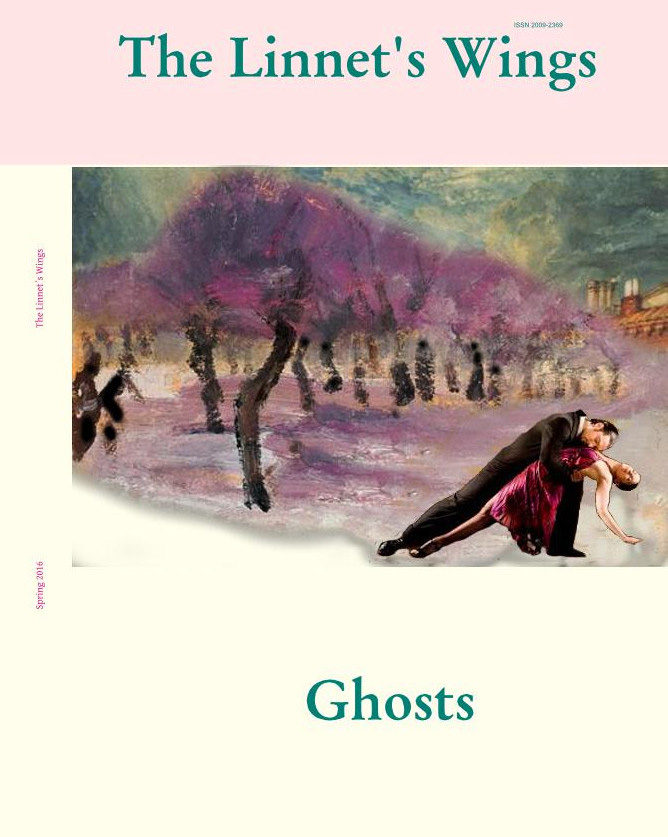
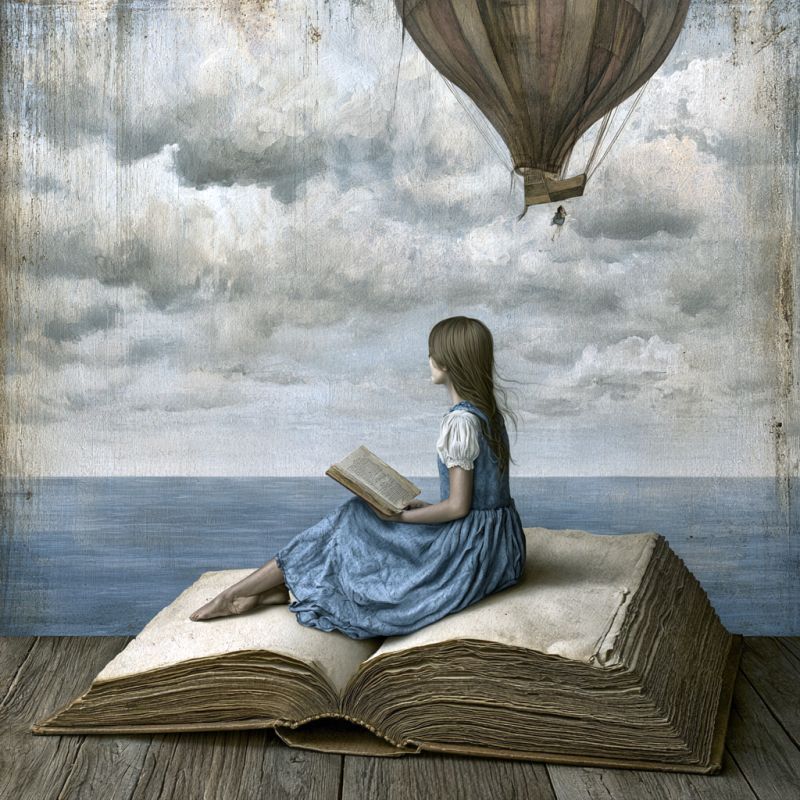
The note reflects on beauty, imagination and creative play, blending classic art, fairy-tale motifs, faith, poems and digital image-making into a meditation on how stories shape the worlds we make and share. |
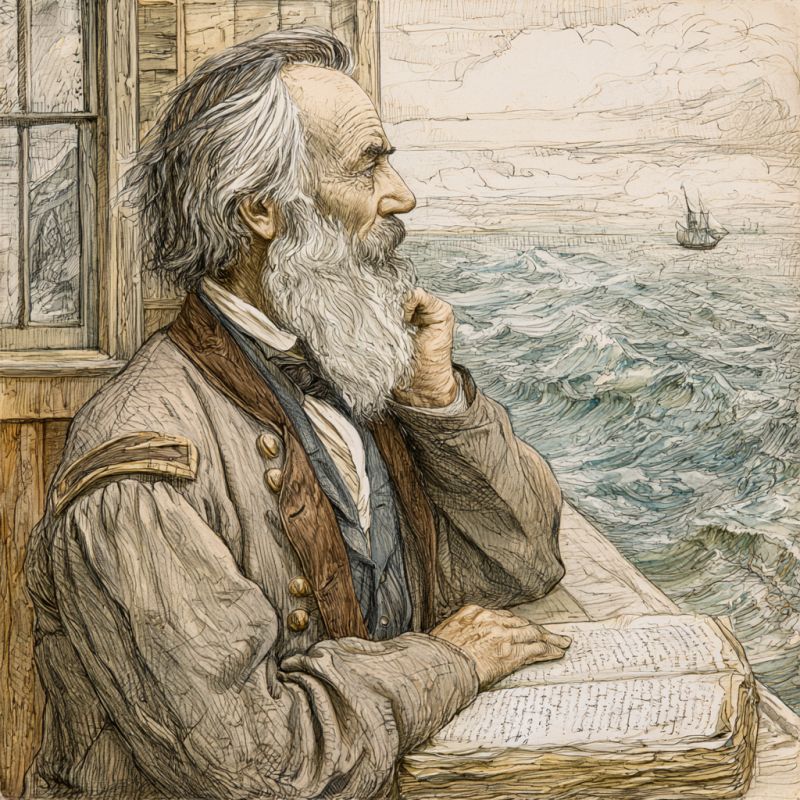 Walt Whitman's elegy mourns a fallen leader at the moment of victory, setting public triumph against private grief. Its voice of love, loss and reverence opens the Ghosts issue with the haunting presence of memory, sacrifice and unfinished sorrow. |
 Scotellaro's micro “Big" contrasts the thunderous power of a monster-truck driver's weekend life with the cramped indignities of home, where memory, boredom, grief and irritation shrink him back into ordinary, bruising reality. |
Sheehan and Zelnick: Short Stories and Essay
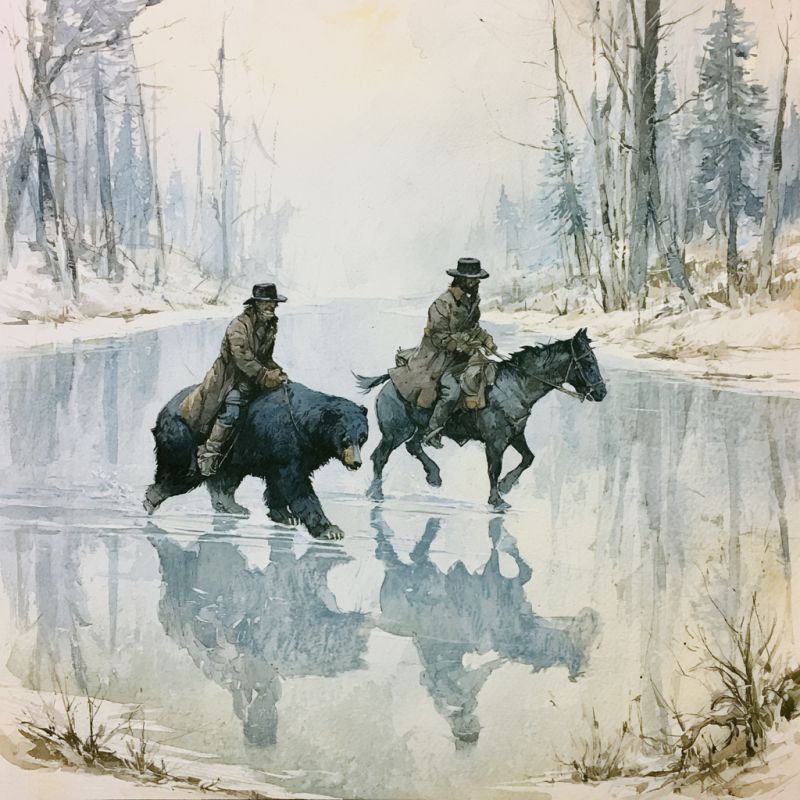
Tom Sheehan's 'Lily Pond' remembers Saugus, Massachusetts through winter hockey, summer swims, vanished shorelines, old friends, childhood freedoms, and the enduring pull of a town carried forward in memory, loss, weather, work, love, and belonging across generations, and into story and song still. |
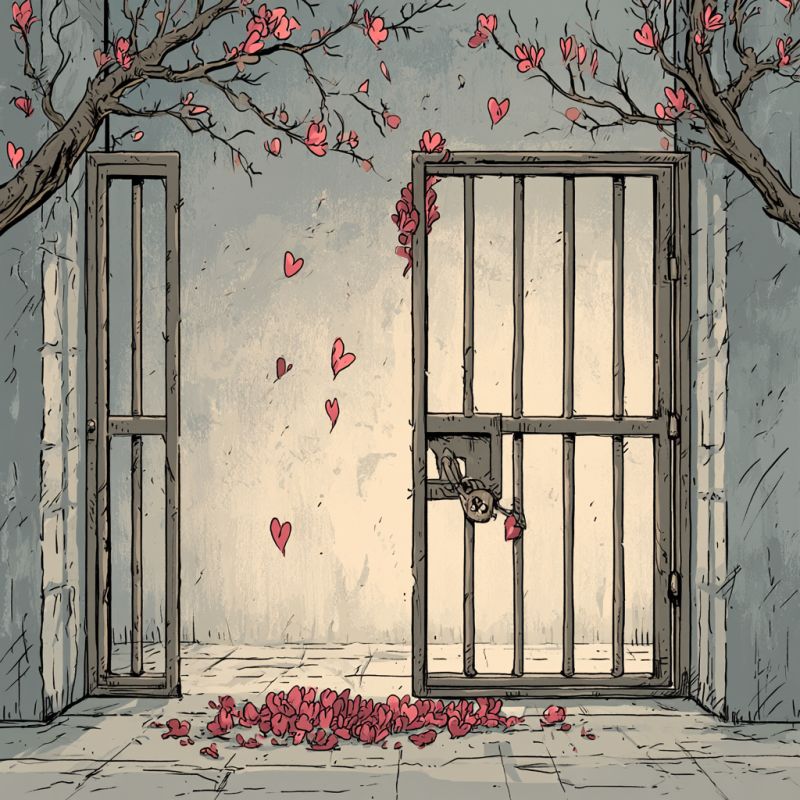 Tom Sheehan's 'Imprisoned by Love' follows Willie, an escaped German POW in wartime Maine, and Emsie, the farmer’s daughter who shelters and loves him, in a story of desire, danger, family wrath, memory, and hope across the ruins and reckonings of war, time, loyalty, and returning peace and fate too. |
 Stephen Zelnick introduces Juana de Ibarbourou, Uruguay's beloved poet, through biography, criticism, and fresh English translations that trace her lyric gifts, youthful love poems, mature elegies, faith, nature imagery, and lasting place in New World poetry for modern readers and poets today again |
Poetry: Joslin, Fitzpatrick, West and Robinson
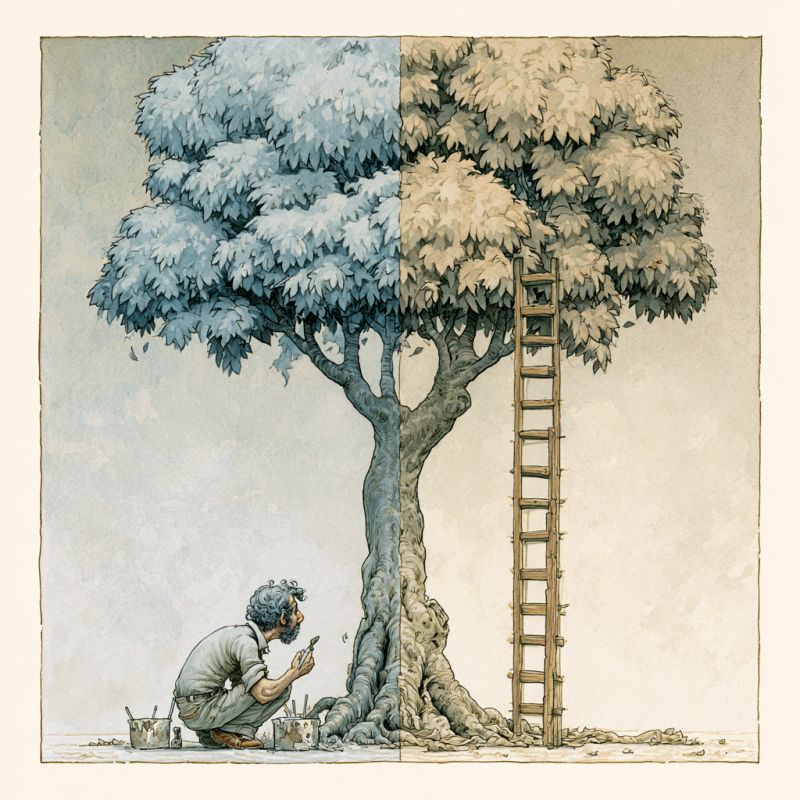
Oonah V. Joslin reflects on James Graham's Becoming a Tree, praising the Ayrshire poet's humane precision, historical imagination, teaching generosity, and gift for finding wisdom in war, childhood, suburbia, ancient caves, and the living world’s transforming speech across time, craft, and love too. |
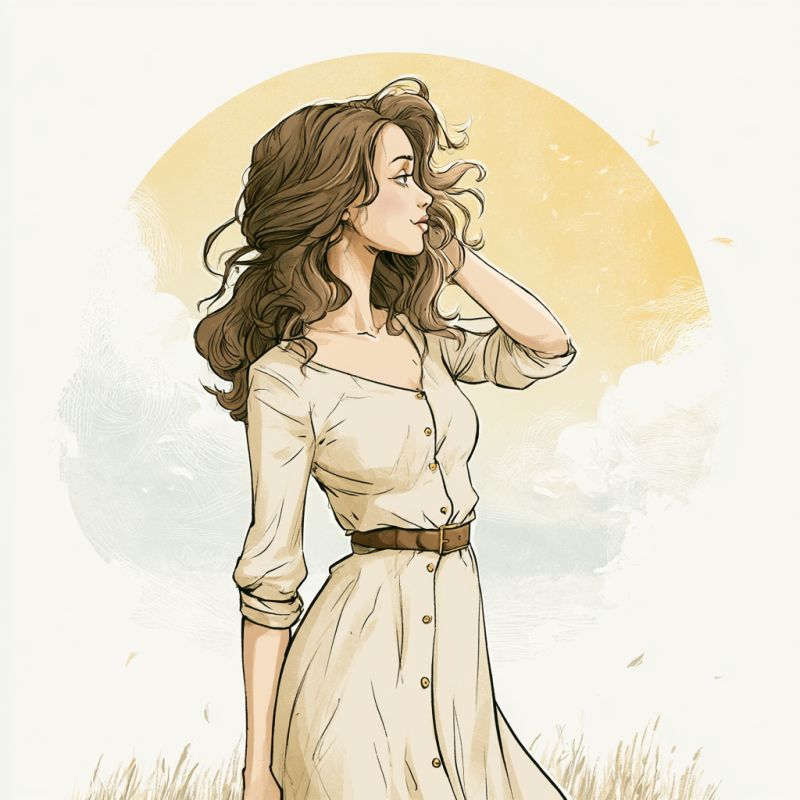 Fitzpatrick's Crescendo finds music in the pause between thought and creation, where silence, rest, muse, storm, sun, God, and composition gather into a warm, spiritual rhythm that lingers after the poem releases its final bright winter morning note of peace and feeling into the hearts softly. |
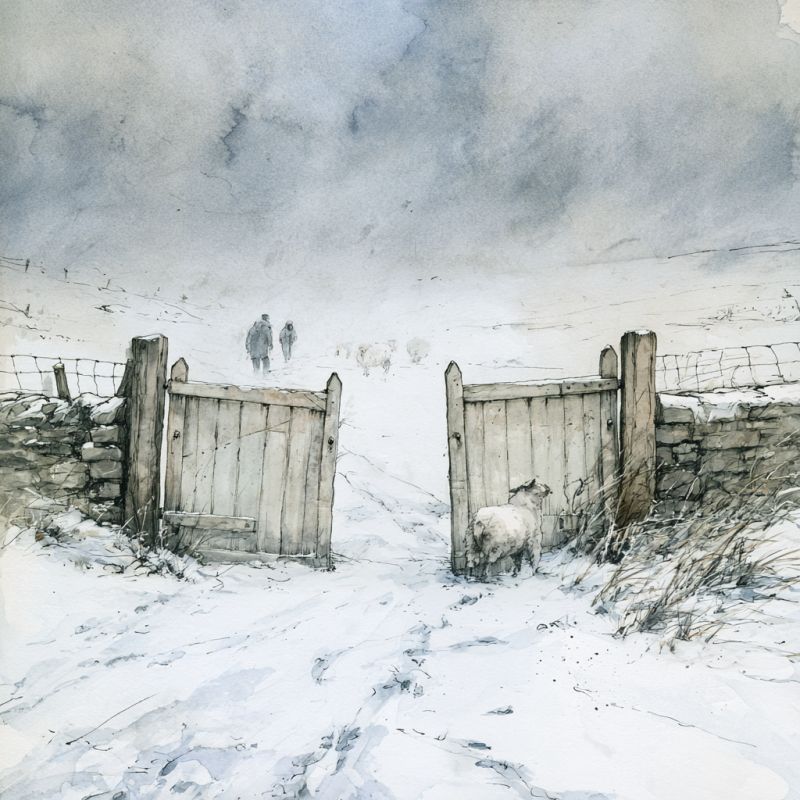 Bill West's Continental Drift turns an open farm gate into a winter mystery, where wind, snow, road, ditch, and question gather in quiet motion. The poem watches small neglect become drift and possibility, asking what may happen when weather escapes its boundaries and reshapes the world outside now. |
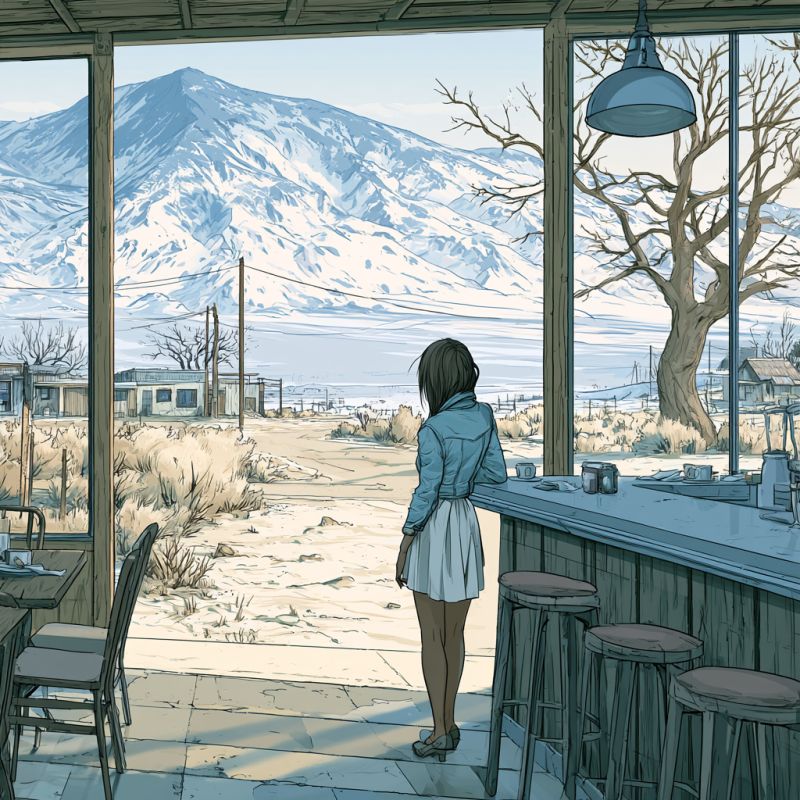 Robinson's Eve follows a fugitive mother and child fleeing Texas into a desert café, where grit, grace, and kindness open a new life. The poem honors work, welcome, memory, and the quiet courage that turns hardship into belonging along Highway 395, family, and survival too in hard times. |
Poetry by Martin-Wood, Joslin,Pasvinter, Miller
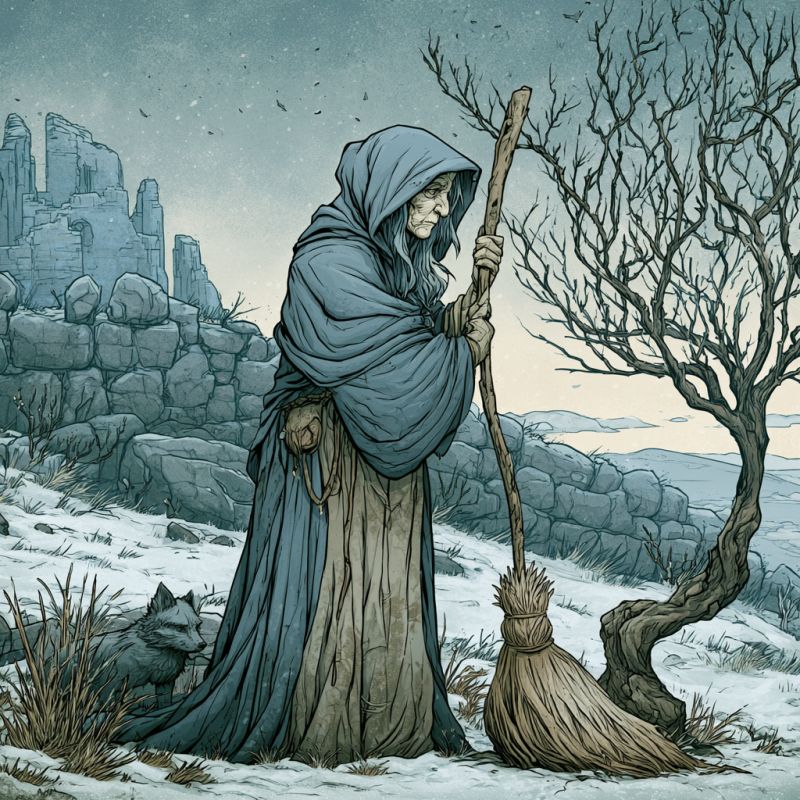
In Carla Martin Wood's “In which I am An Cailleach Bhéara," age, myth, grief, and renewal gather in the voice of the ancient crone. The poem turns winter, memory, bones, and river dawn into a powerful meditation on elderhood and the young self still living within. |
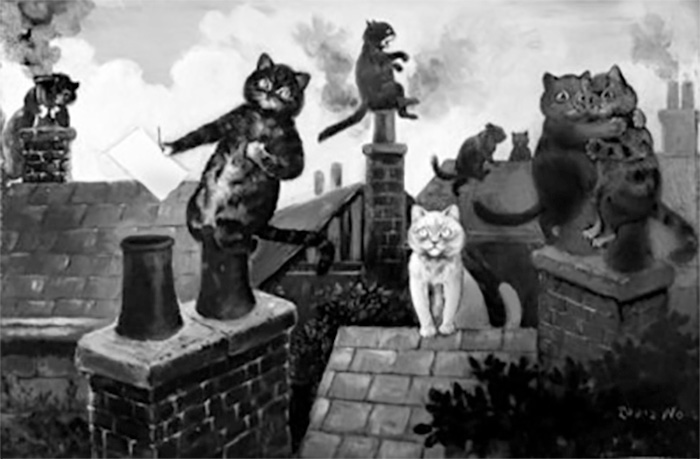
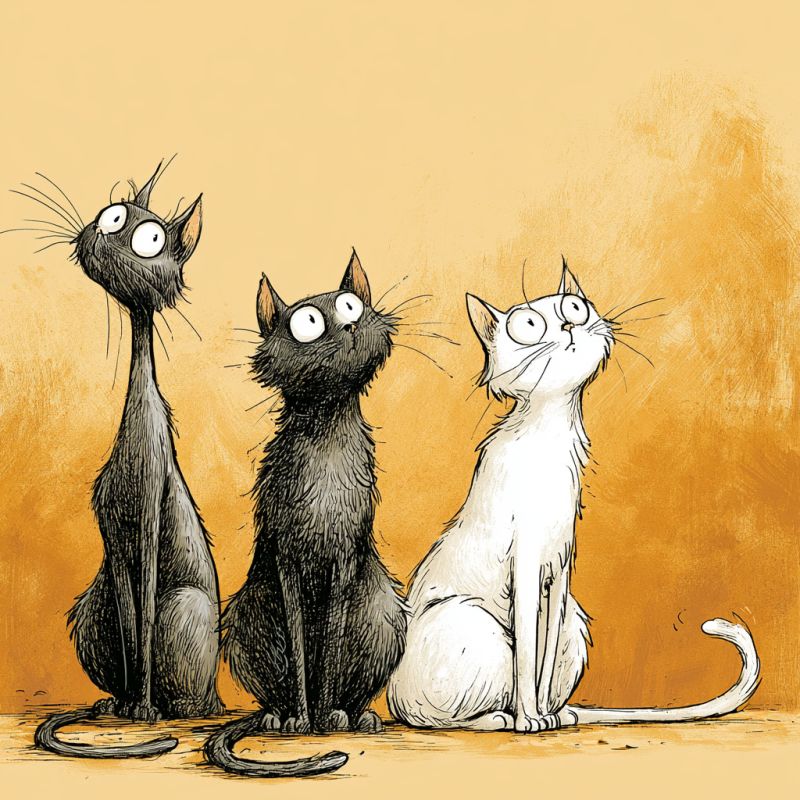 In “The Dogged Determination of Cats,” Oonah V. Joslin turns a rooftop chorus into a comic, musical lament. The cats sing through soot, memory, lost fields, and city smoke, keeping their truth alive night after night above the chimney pots. |
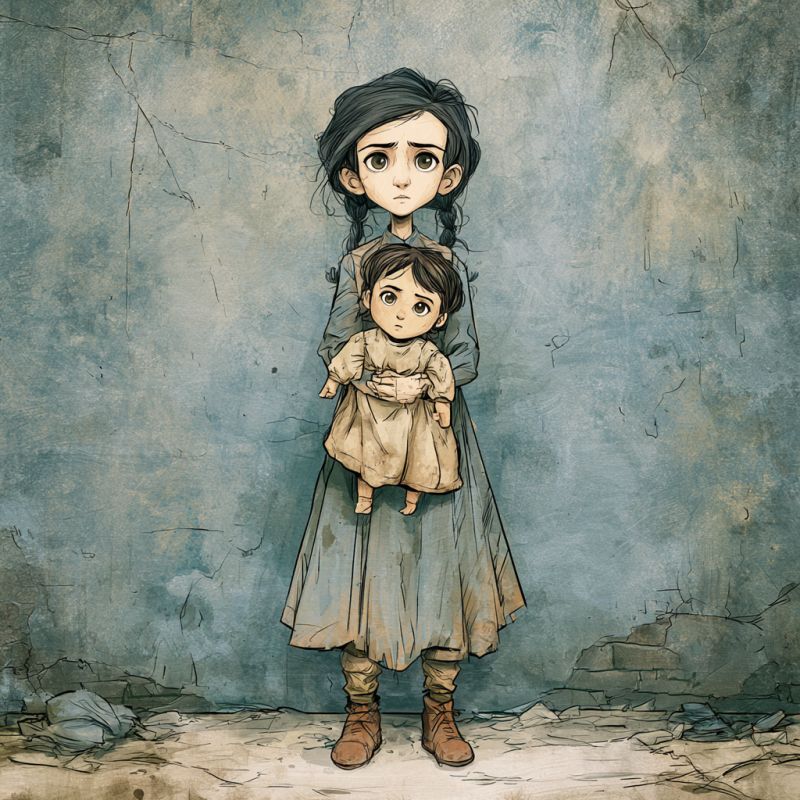 In “Tiny Fingers,” Irena Pasvinter gives voice to a doll carried through terror, loss, and memory. From a child’s grasp to a museum case at Auschwitz, the poem turns innocence into witness, asking what broken objects remember when history will not look away. |
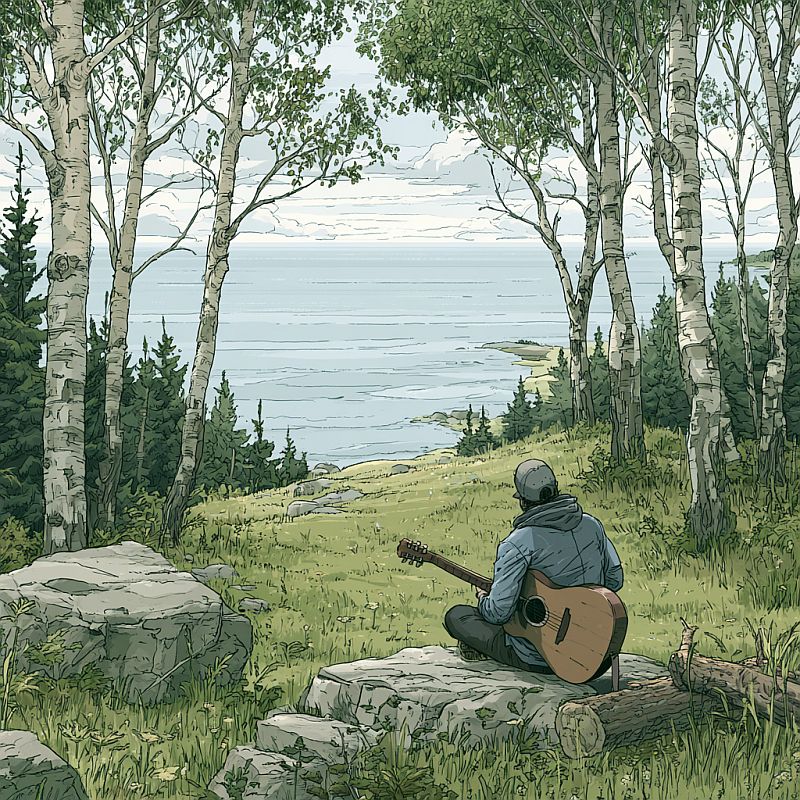 In “Feedback,” Terry Jude Miller pauses on a wooded hilltop and lets spring's sound, scent, and softness dissolve the self. The poem becomes a sensuous communion with nature, where human want falls away and breath returns to belonging. |
Poetry by Ortiz, Power Evans, Burn and Martin-Wood
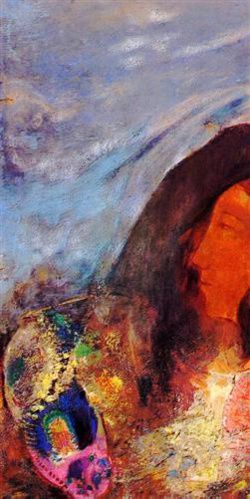
Sergio Ortiz's poems move through despair, appetite, intimacy, weather and memory, finding charged images in the ordinary world and in the pressure points where tenderness and danger meet. |
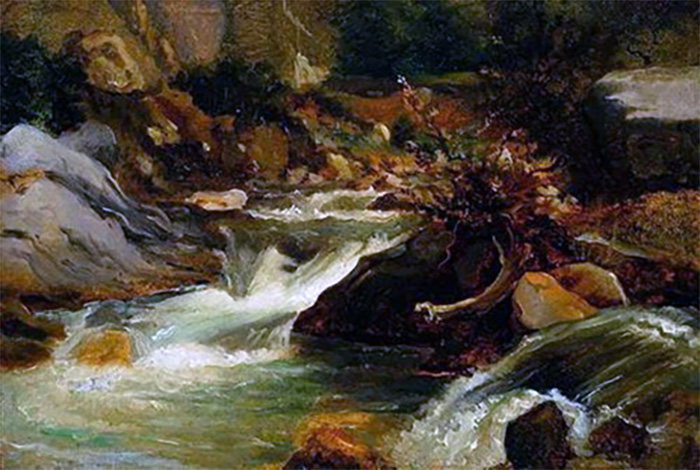 In “Fumus Autumnus,” Catherine Power Evans follows the quick motions of the autumn world, where squirrel, leaf, weather and language flicker together in a bright seasonal music. |
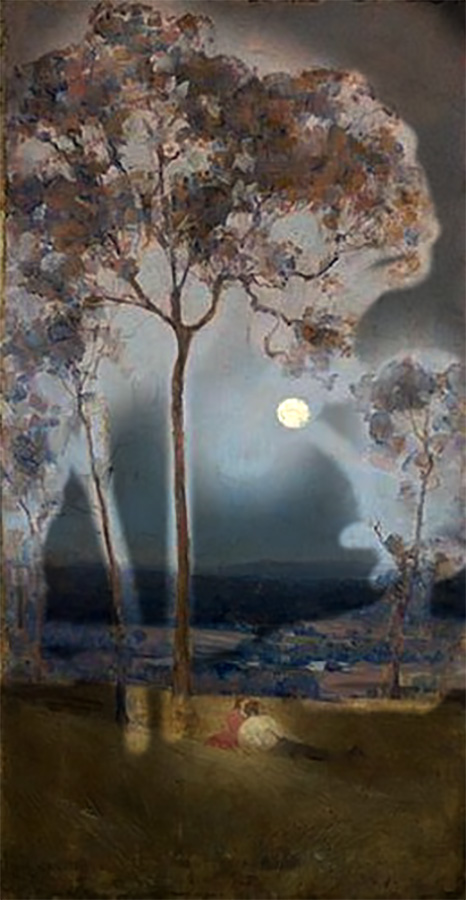 Jane Burn's “Poe-ish” enters mist, dread and half-seen distance, making a compact gothic weather of uncertainty, imagination and the old pull of shadow. |
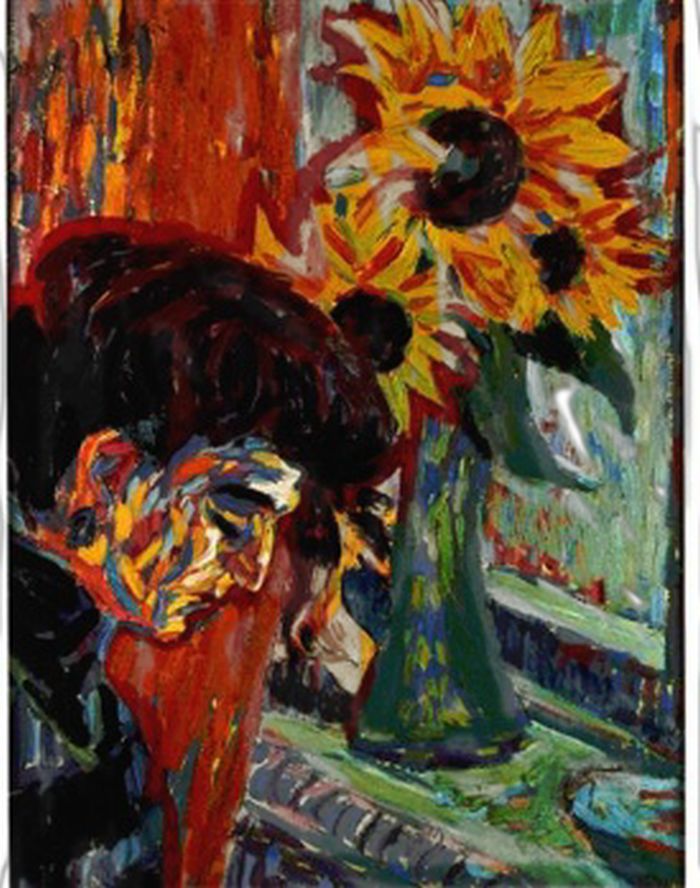 Carla Martin-Wood's “Crone's Counsel” speaks from the wild edge, inviting the reader into depth, age, instinct and the bruised wisdom of an older feminine voice. |
Poetry by Duggan, Sigriddaughter, Fianna and Burn
These poems move between grief and wonder, finding thresholds in burial grounds, fountains, birds, islands, insects and shells. Death and departure sit beside renewal, humour and moments of sudden illumination, while sea, wind, light and living creatures carry memory into the physical world. Together, the poems explore how what is lost can remain present — transformed into landscape, sensation, imagination and the small, unexpected magic of being alive.
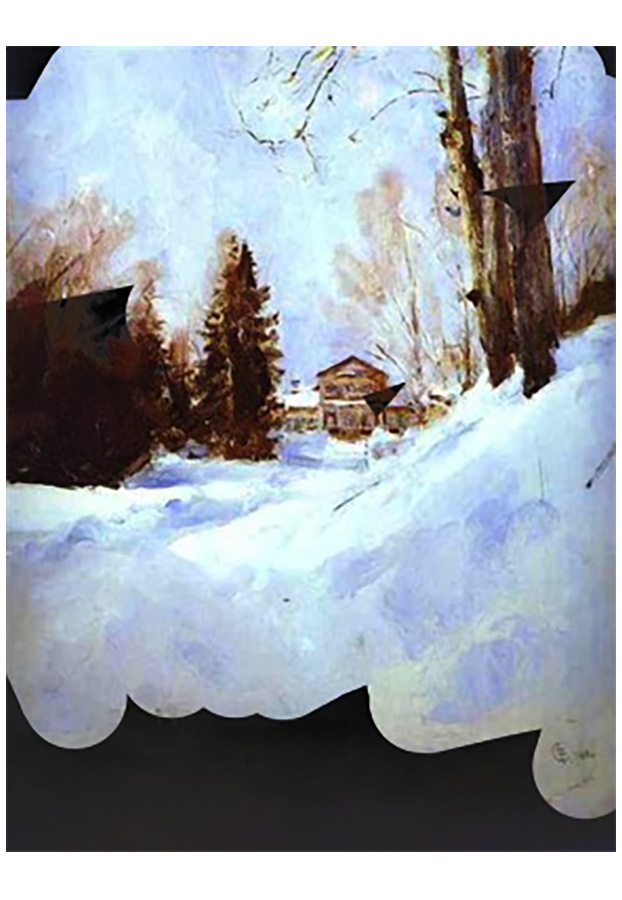
Dolores Duggan's “Death / Leaving” moves through grave, body, memory and departure, holding grief in spare images where stone, hair, earth and absence become part of the same quiet reckoning. |
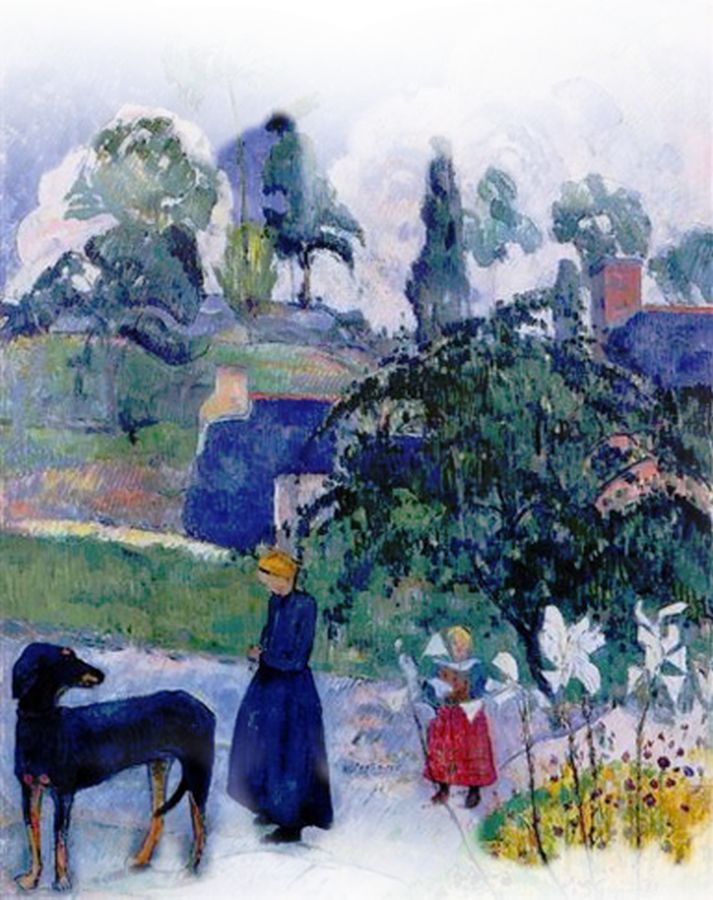 Beate Sigriddaughter's “Fountain” imagines the self as a source of water and gathering life, a small lyric wish for movement, birdsong, openness and renewal. |
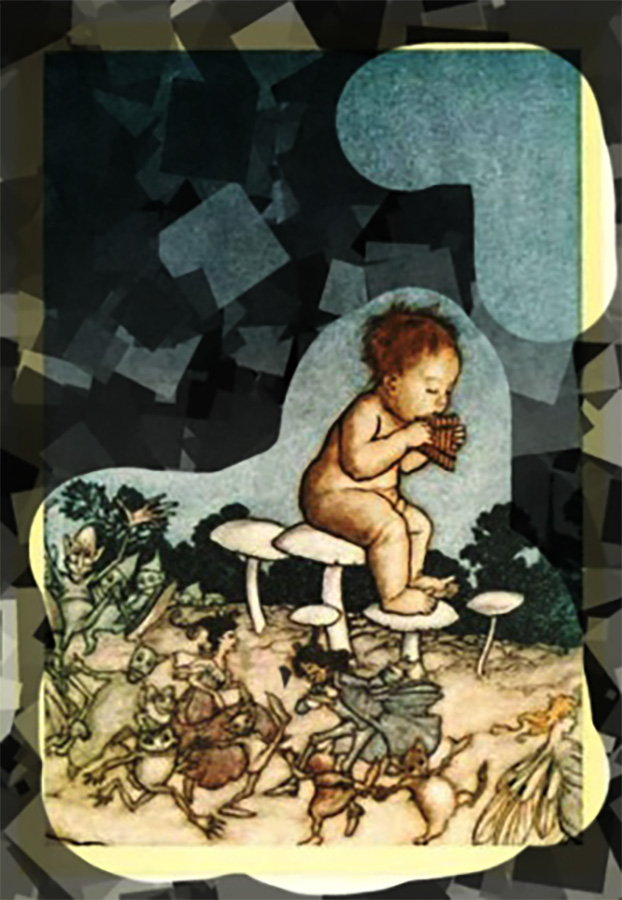 Fianna's poems gather magic, westering light, insects, islands and threshold moments, making a delicate sequence of perception, transformation and bright interior weather. |
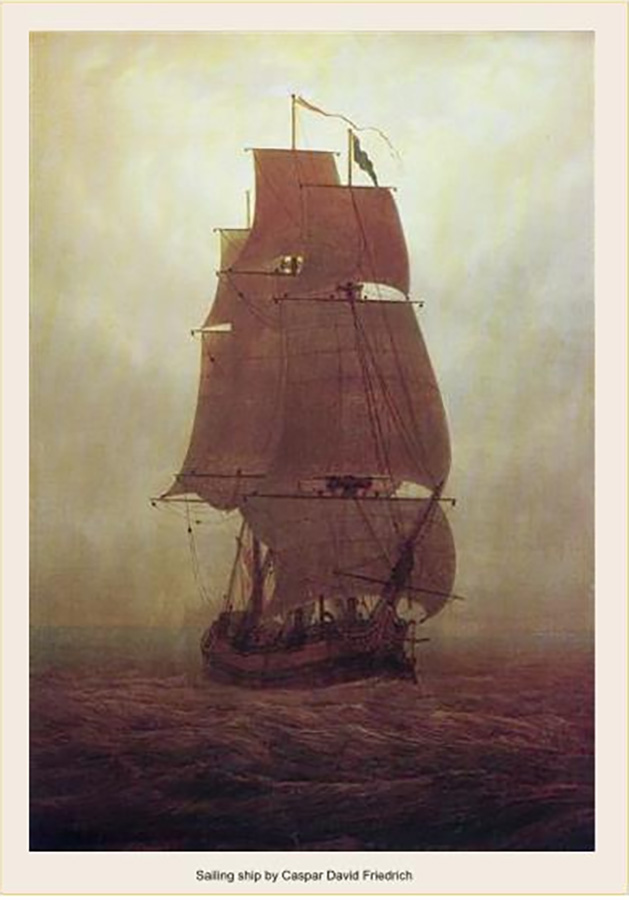 Jane Burn's “Lazarus Jewel Box” rises from tide, silt and sea-worn mystery, turning recovered fragments into a charged meditation on loss, return and hidden treasure. |
Poetry by Brown, Shakespeare (Classic,) Piatt and Grossmith
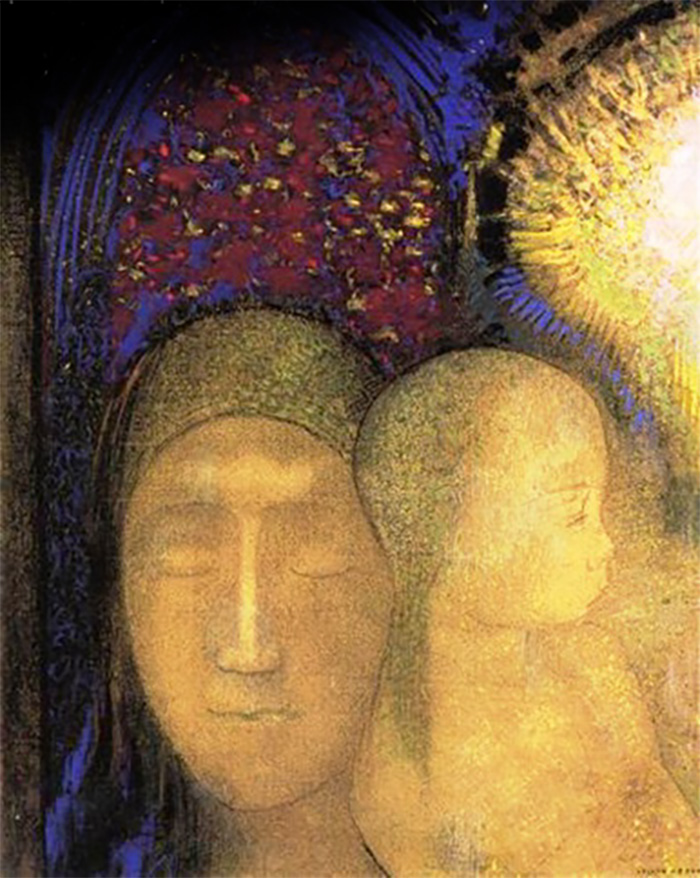
Margot Brown's “It is a year today” moves through shore, weather, memory and distance, measuring grief and survival against the repeated motion of waves. |
 Shakespeare's “A Fairy Song” brings a classic woodland music into the archive, all motion, charm, mischief and enchantment over hill, dale, bush and brier. |
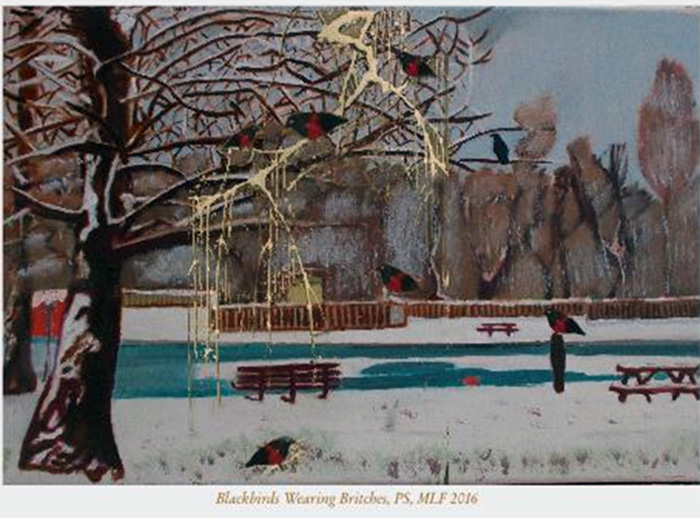 James G. Piatt's “On the Seashore” listens to the ocean's roar, turning a solitary moment beside the water into a meditation on sound, vastness and inward weather. |
 Robert Grossmith's “POEM” wrestles with art, obscurity, earnestness and meaning, making a sharply self-aware piece about the risks and pressures of poetic expression. |
Poetry by Grossmith, McCotter and Mari
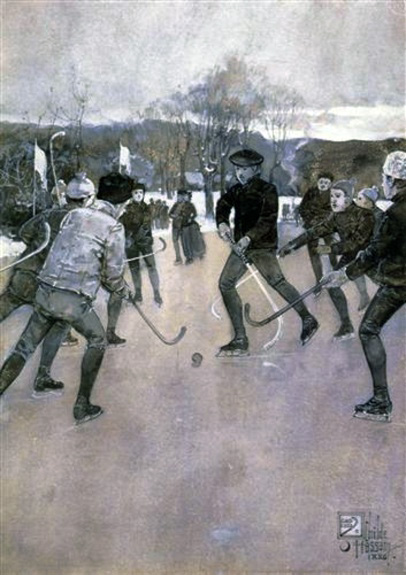
Robert Grossmith's “Sandie and Dud” remembers public figures through hometown memory, popular culture and personal association, turning shared celebrity into something local, intimate and reflective. |
 Clare McCotter's “The Opal Miner” moves through dream, colour, labour and buried radiance, following the miner's search for hidden fire beneath the surface of things. |
 Clare McCotter's “In Bellaghy Graveyard” stands among ancient names, mythic echoes and local earth, making the graveyard a place where history, spirit and landscape speak together. |
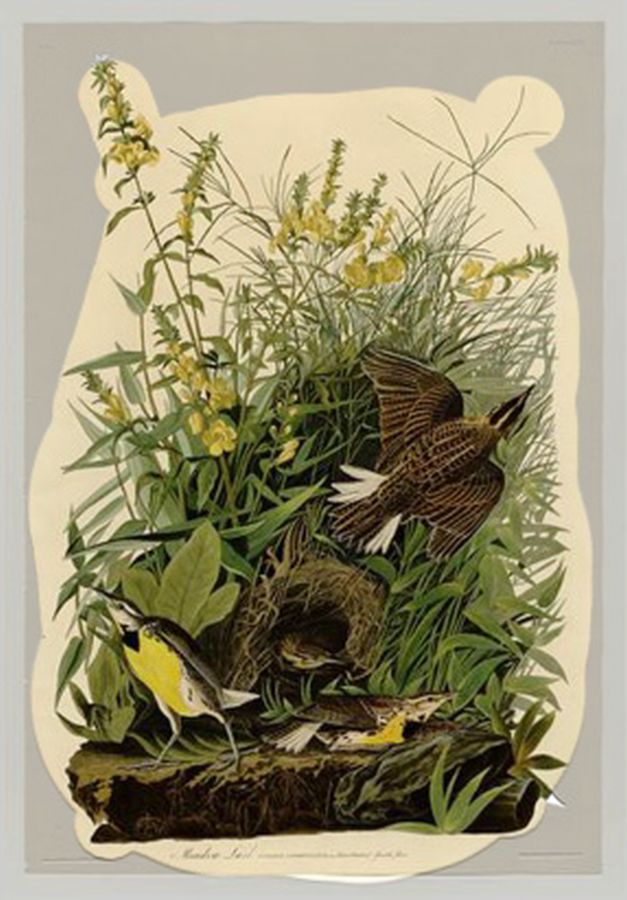 Mari's “February First” is a brief seasonal renewal, a small turning of bird, seed, labour and hope as the year begins to move toward spring. |
Stories by Beaumont and Robinson
Digby Beaumont's “Cut Loose” is a surreal microfiction of grief and release, where a bedridden father becomes a kite and asks his child to let him go into the October sky. |
 Bill Frank Robinson's “Heart-Breaking Discoveries” follows Archie through sickness, danger, childhood loyalty and family revelation, as boyhood adventure opens into buried memory and old violence. |
Archived Photo Galleries
Three galleries drawn from The Linnet’s Wings visual archive, moving from the colour and atmosphere of Summer 2014, through the 2016 Summer Dario Gallery, to Russell Joslin’s darker, more theatrical All Hallows collection. Together they show the range of visual work that has accompanied the magazine over the years — seasonal, expressive, playful and sometimes distinctly strange.
|
Summer 2014 gathers the issue art, public-domain images and visual references into one archive gallery, with captions now displayed from the gallery database. |
 Spring Gallery 16 Ruben Dario gathers the visual material used around Stephen Zelnick's essay, including portraits, contextual images and captioned references. |
All Hallows 2007 celebrates The Photographic Art of Russell Joslin |
The Linnet´s Wings
All rights reserved. No part of this publication may be reproduced, distributed, or transmitted in any form or by any means, including photocopying, recording, or other electronic or mechanical methods, without the prior written permission of the publisher, except in the case of brief quotations embodied in critical reviews and certain other noncommercial uses permitted by copyright law. For permission requests, mail the publisher at thelinnetswings@gmail.com
Ordering Information:
Single Copies available from our website: www.thelinnetswings.org
Quantity sales. Special discounts are available on quantity purchases by corporations, associations, and others. For details, mail the publisher at the address above.
ISBN-13:978-1523219407
ISBN-10:1523219408
Spring 2016