The Linnet´s Wings, "Just Like "Peer Gynt"
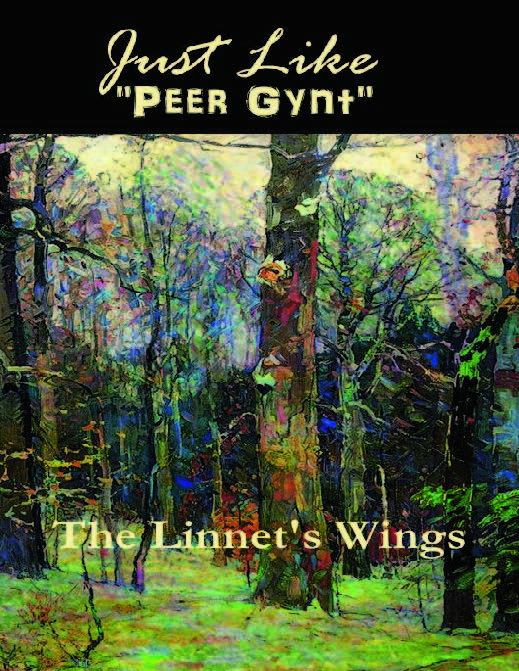
Front Cover for Summer 2016
Epigraph: Bushes by Marie Lightman |
Prologue, Editor's Note
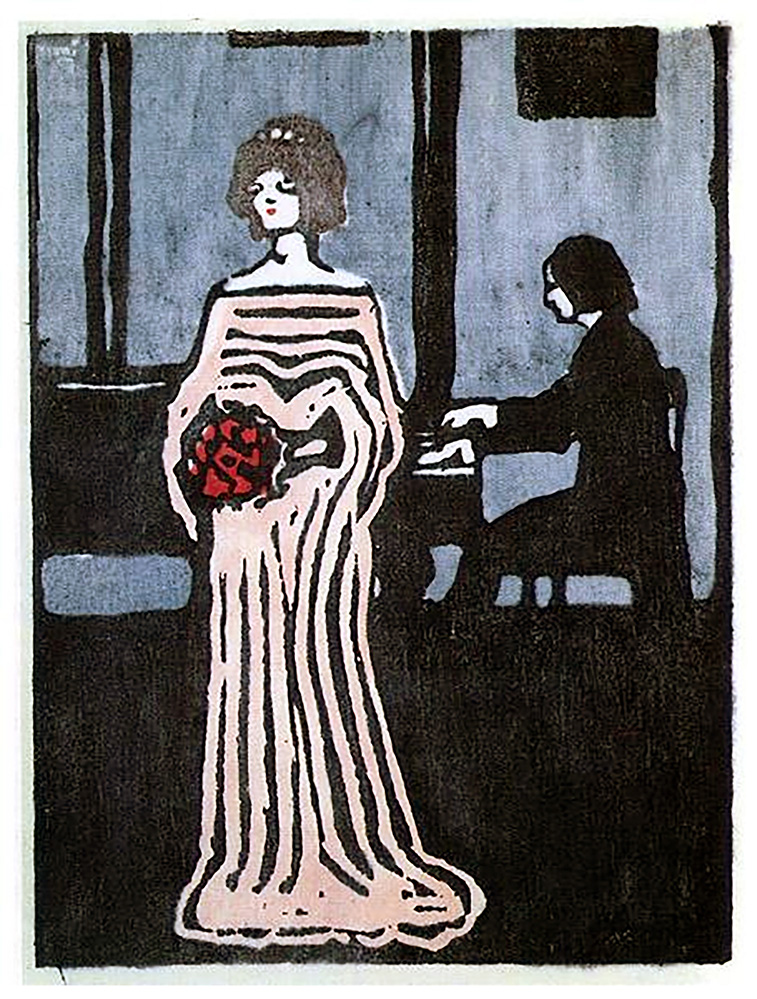
For Maggie if ever I may find Her by Carla Martin-Wood |
 |
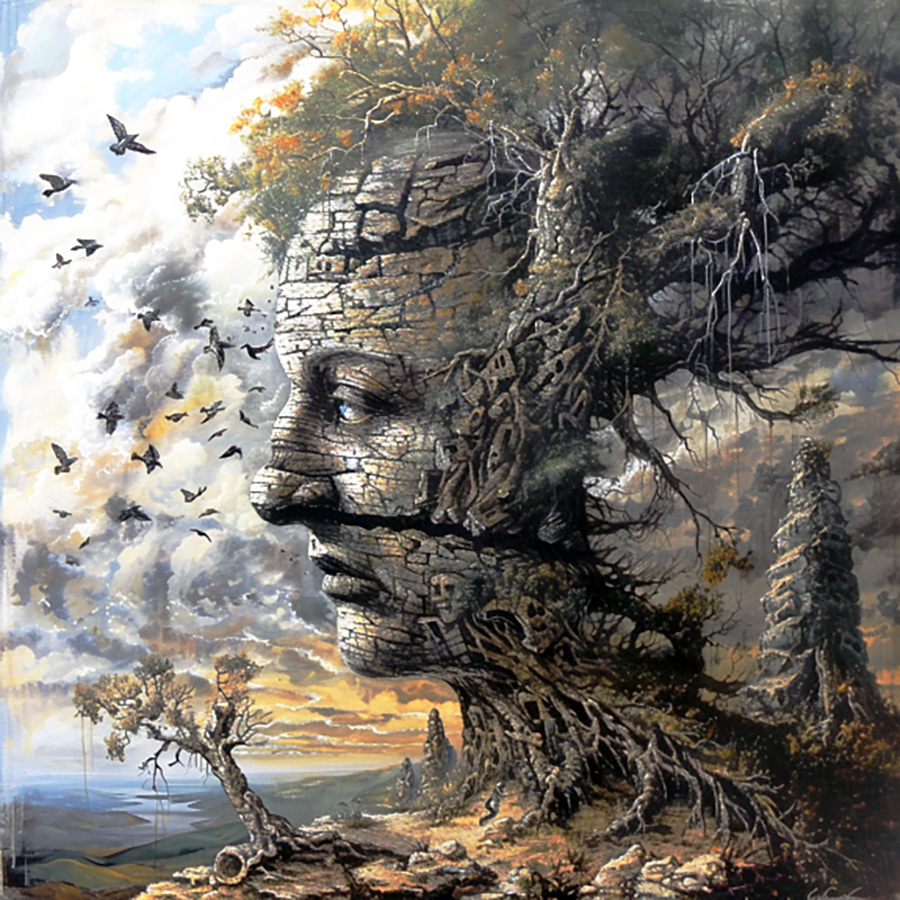 This quarter was rife with mischievous witchery: Political insults and commentary, the thoughts of money galore going in all directions other than where it might be most needed; such colour, and who knows what will happen, what power-players will lead us on from Obama's reign. |
Writers: Schwartz, Biswas, Robinson
These three stories move through dream, memory, and family inheritance, each finding strangeness inside the ordinary. David G. Schwartz’s playful surrealism follows animal wisdom and dream logic into a world of ravens, dogs, dawns, berries, parachutes, and elephants. Beside it, Biswas writes a quiet magical-realist piece that returns a woman to the living power of books and stories, and Bill Frank Robinson’s “Grandma’s Story” roots the gathering in oral family history, where circus roads, prizefighting, early cars, love, loss, and rough humour become part of the Archie family chronicle. Together, the pieces celebrate storytelling as wonder, recovery, and remembrance.
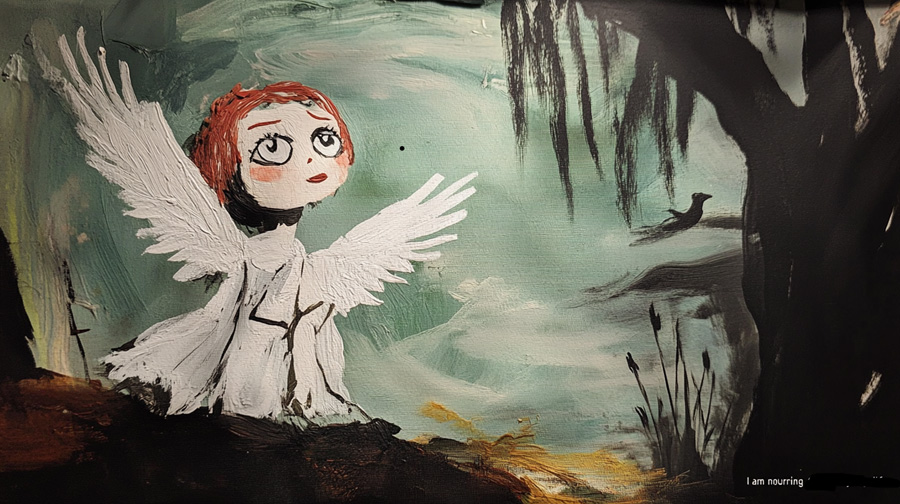
David G. Schwartz’s “Do Elephants” is a playful surreal prose piece that turns a simple question into a tumble of dream logic, animal wisdom, barking dogs, cawing ravens, dawn-built days, berry bushes, parachutes, and the mysterious dignity of elephants. |
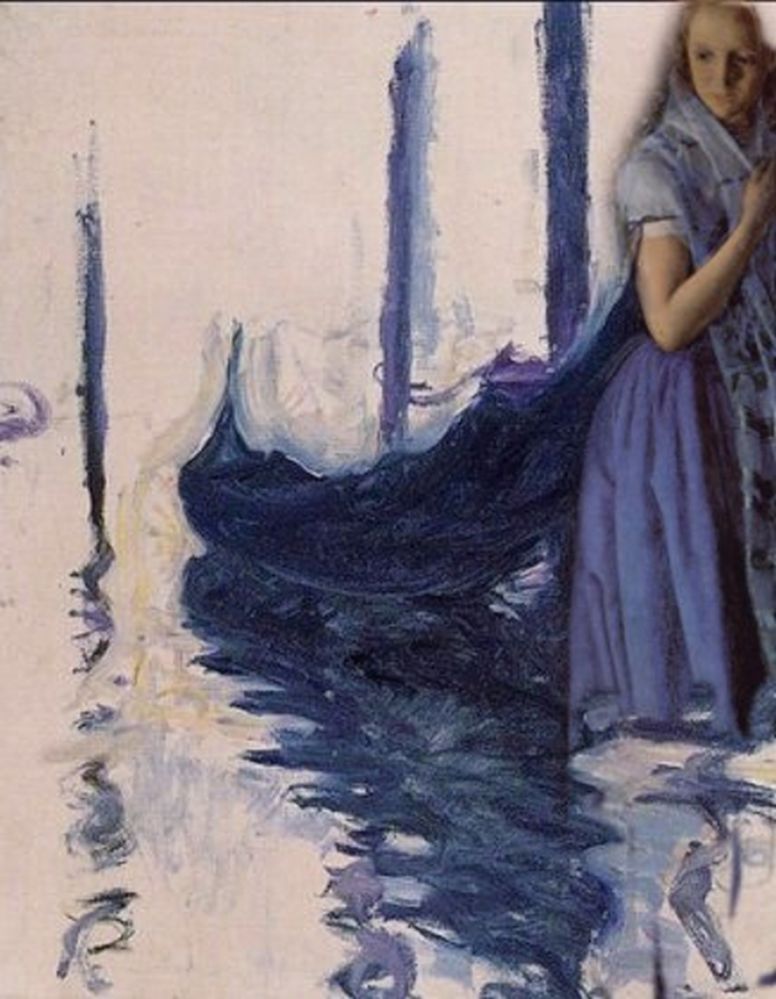 A subtle, magical realist story about a woman who has drifted away from books, only to find herself drawn back into reading through memory, unease, and the living presence of stories. |
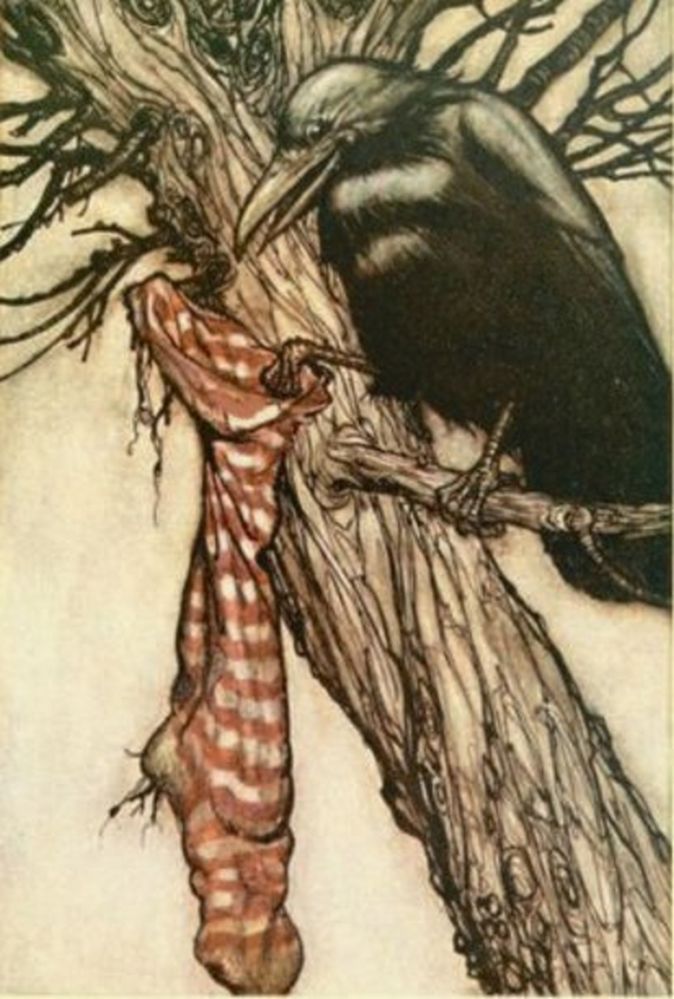 In “Grandma’s Story,” Bill Frank Robinson lets family history spill out through Grandma’s memories of circus roads, prizefighting, early automobiles, love, loss, and Lonnie’s fateful encounter with Todd Toolbee. The piece blends humour, grit, and oral storytelling into another vivid Archie family chronicle. |
Writers: West, Seyedbagheri, Brooks
Three distinctive voices explore memory, conflict and the fragile choices that shape a life. Joseph West, Mir-Yassar Seyedbagheri and Marian Brooks bring wit, tension and emotional depth to stories grounded in human consequence and connection.
Joseph West’s Capsize is a candid micro-essay on low mood, anxious thought and emotional overwhelm. Paired with Theodor Kittelsen’s storm-lashed Paa Rangel, it uses the image of a boat righting itself to suggest endurance, structure and calmer shores ahead. |
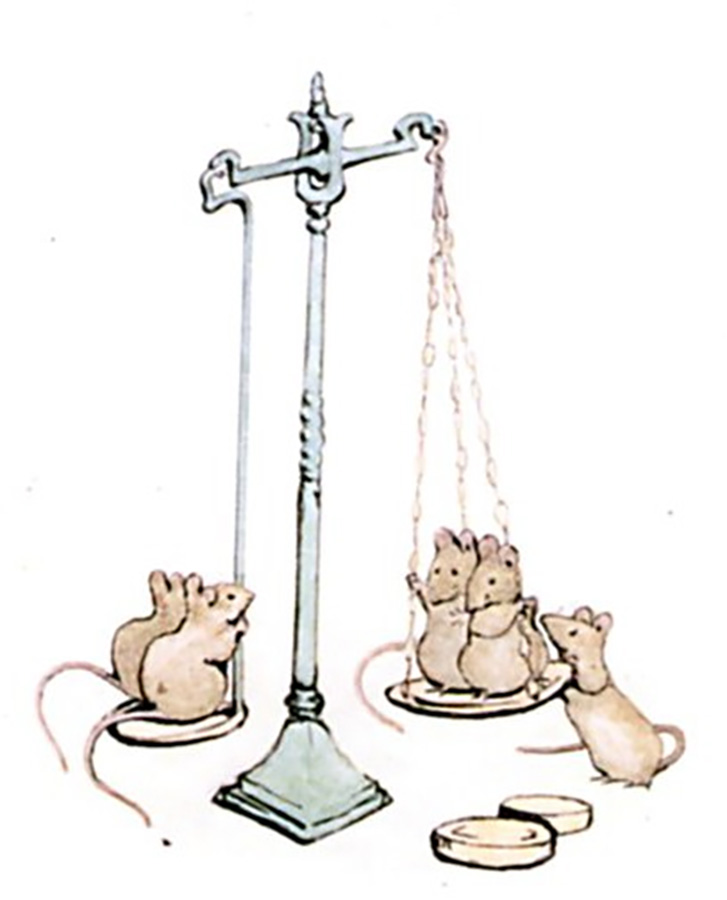 Marian Brooks’s Your Honor is a darkly comic story about guilt, self-deception and public respectability. When Dolores damages a neighbour’s car and drives away, her moralising husband condemns her, only to reveal a far more violent hypocrisy of his own. |
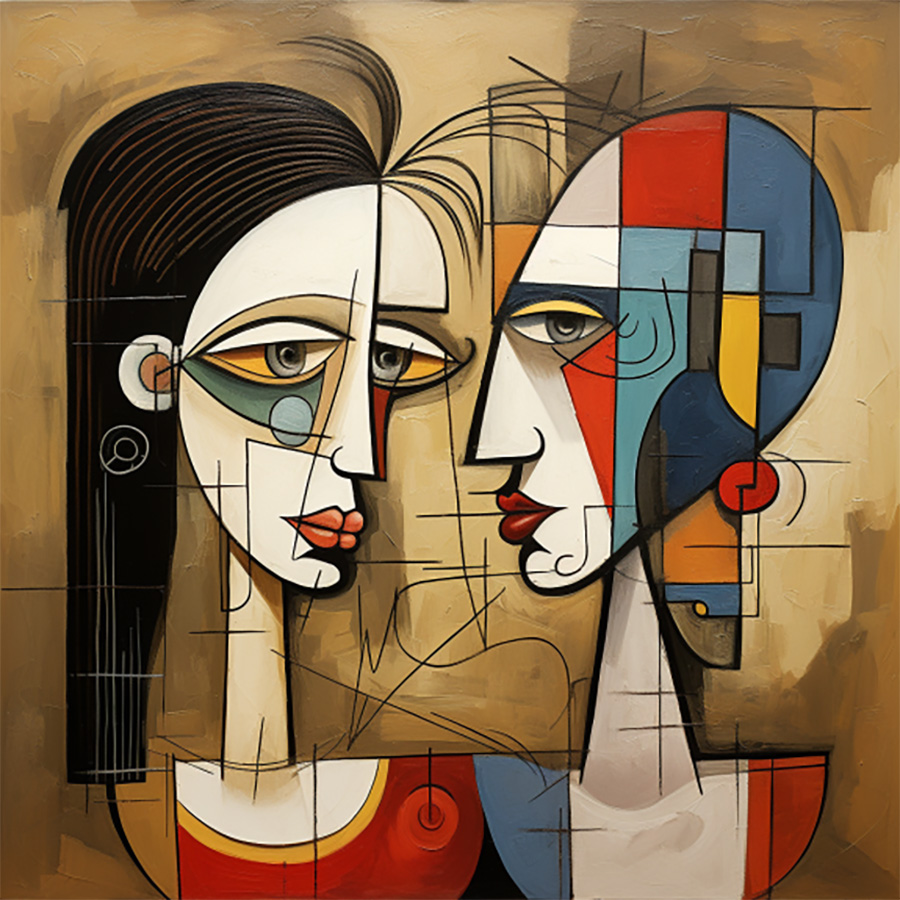 Mir-Yassar Seyedbagheri’s story is a haunting study of grief, guilt and a mother’s failure to speak love while there was still time. Searching her dead son’s desk, Betty finds his final story and turns it into both confession and communion, as memory, remorse and smoke blur into one last whispered "I love you." |
Poets: Biswas, Hatfield, Shields, Walters
A reflective gathering of poems about mortality, memory, love and the traces a life leaves behind. Moving from thoughts of immortality and burial to lost lovers, regret and the fragile persistence of hope, these works consider what endures when time, absence and change have done their work.
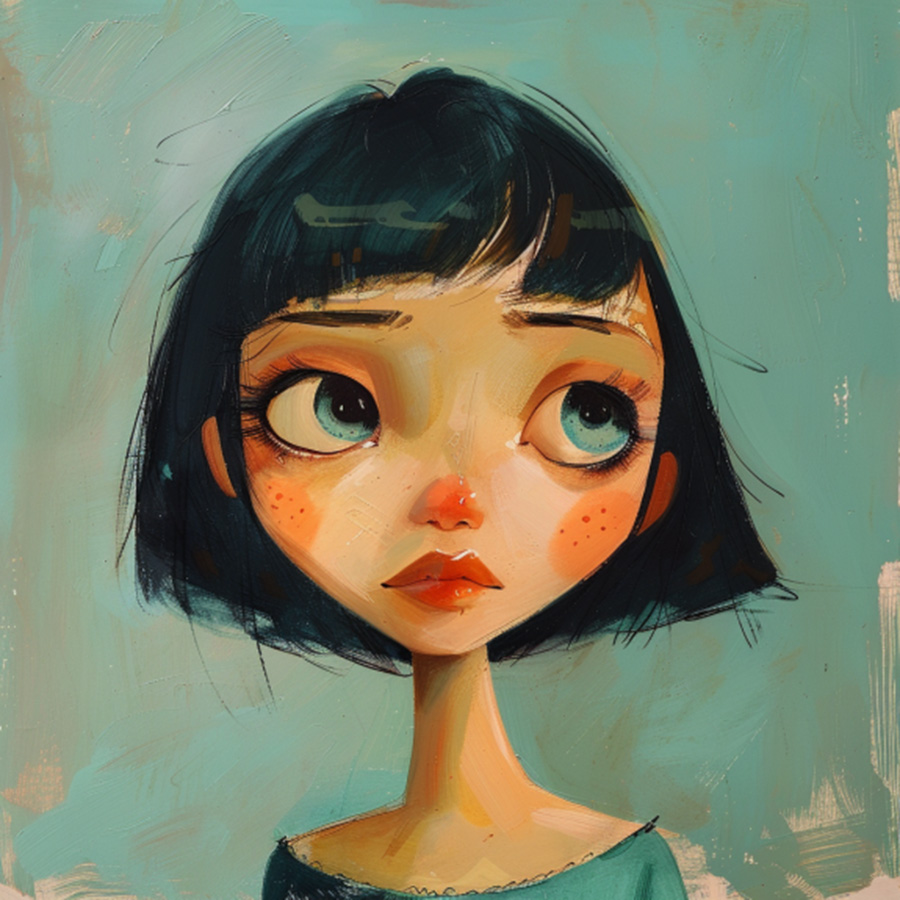
A meditation on the ordinary acts through which a life endures beyond death. RK Biswas finds immortality not in grand gestures, but in kindness, hope, memory and the quiet inheritance we leave in the hearts and lives of others. |
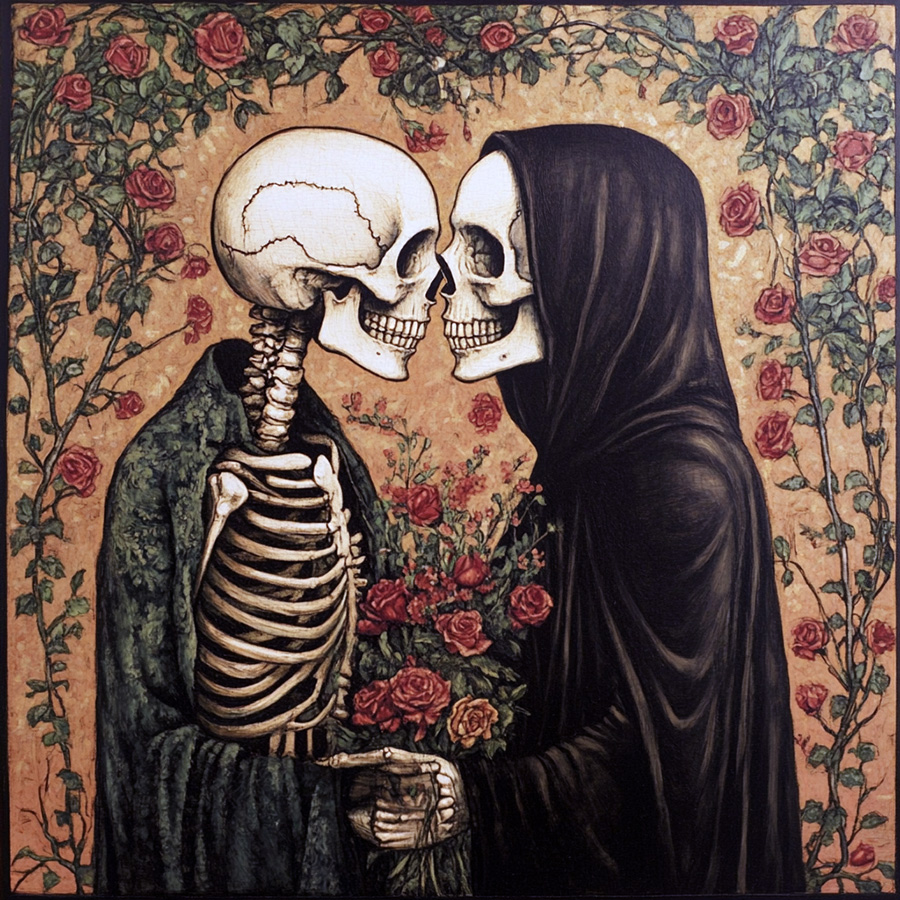 A gently humorous and thoughtful encounter with mortality unfolds during a woodland gathering devoted to death and funerals. Among bluebells, burial plots and frank conversation, Jim Hatfield considers how we imagine our final resting place—and whether even death must somehow suit the life we have lived. |
 In the silence left behind by departed lovers, memory and longing return to haunt the night. Moving between regret, fragile hope and dream, Ronald E. Shields explores the heart’s desire to begin again, even when morning offers no certainty of release. |
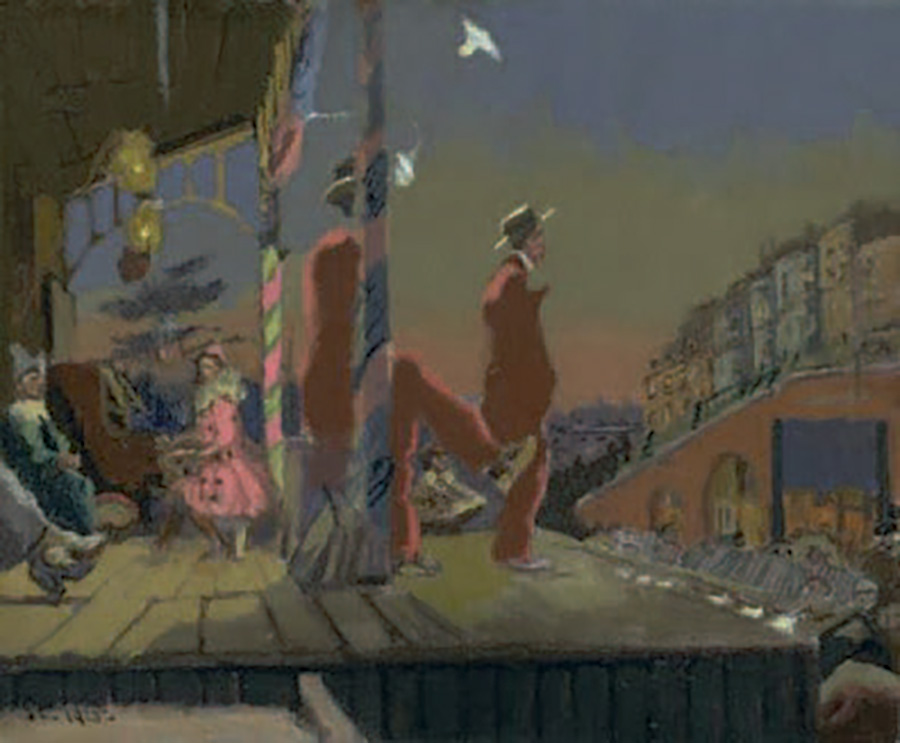 Smoke, bourbon, music and failing memory gather around the lingering voices of old loves. Akeith Walters creates a tender, rueful portrait of ageing and recollection, where forgotten details blur but the emotional presence of the past continues to whisper through the darkness. |
Poets: Cravens, Mickelson, Dillon, Charman
These four poems move through memory, ageing, grief and the fragile intensity of being alive. From roads and rivers that carry the past into the present, to a winter-darkened home, a small relic kept after death, and the suspended terror of soldiers moving through conflict, each poem searches for what remains when certainty falls away: love, memory, longing and the brief clarity of human connection.
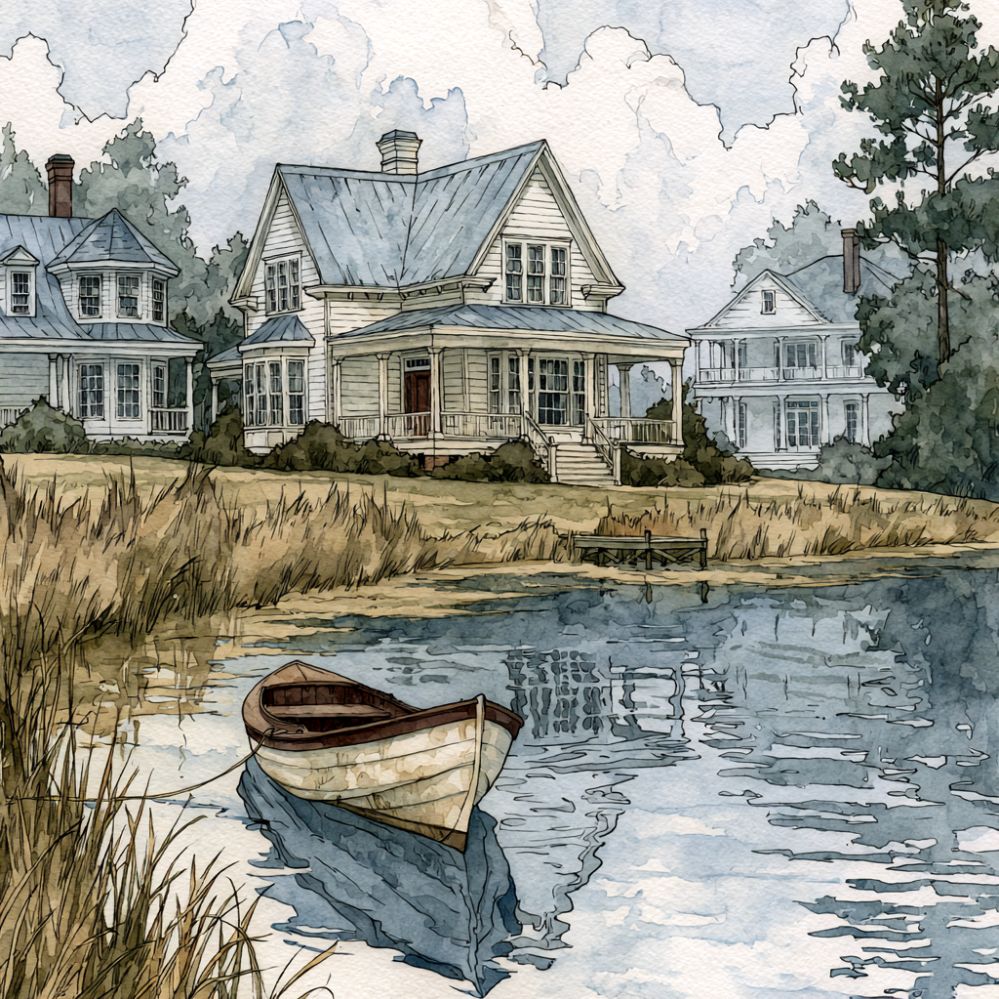
In Rivers and Roads, Cravens moves through memory, dream and landscape, tracing family, childhood and the longing for home through roads, rivers, old houses and recurring visions of warmth, belonging and love. |
In the quiet of a winter evening, an ageing dog, an emptier house and the memory of children returning home become measures of passing time. Mickelson reflects on ageing, absence and the shrinking orbit of daily life, while longing for the warmth, noise and companionship that once filled the rooms. |
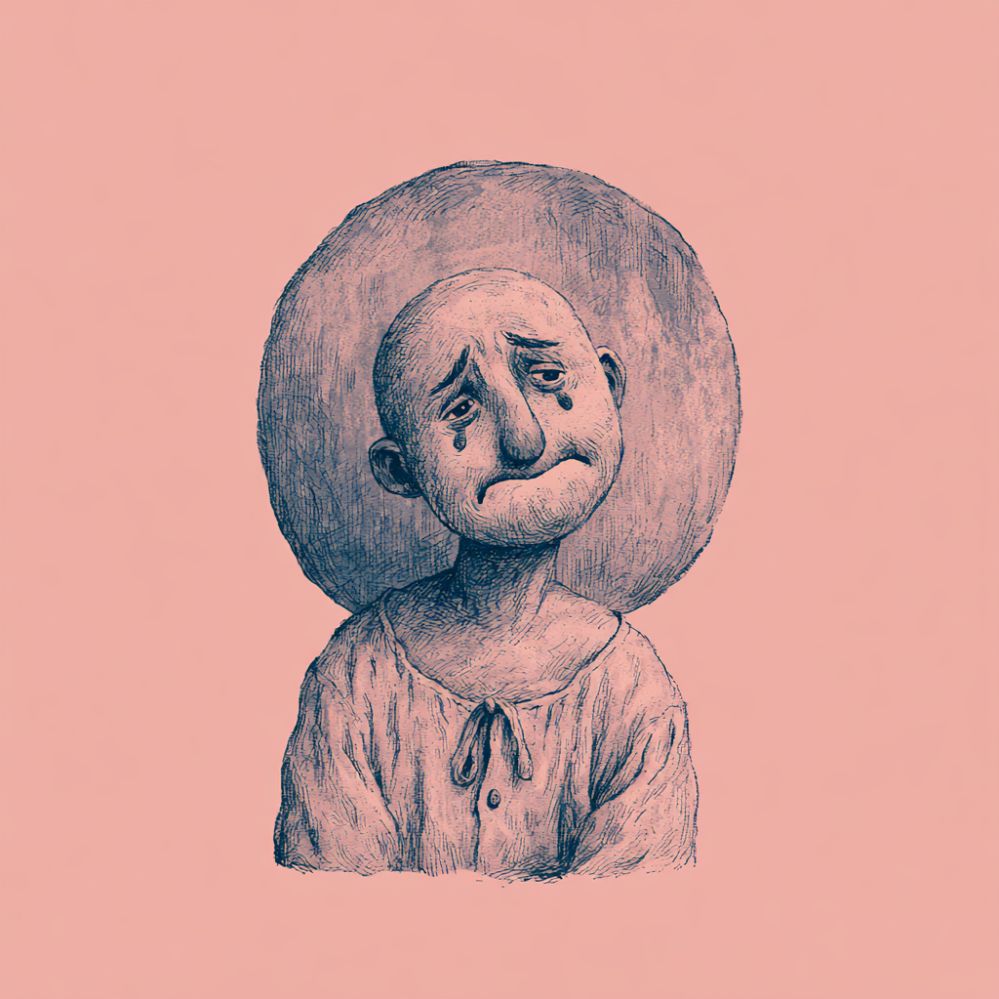 A small lock of hair, kept in a porcelain box after a death, becomes an intimate vessel for grief and remembrance. Barry Charman’s spare poem finds tenderness in this simple relic, where loss is held quietly on a shelf and memory waits to be awakened by the smallest familiar thing. |
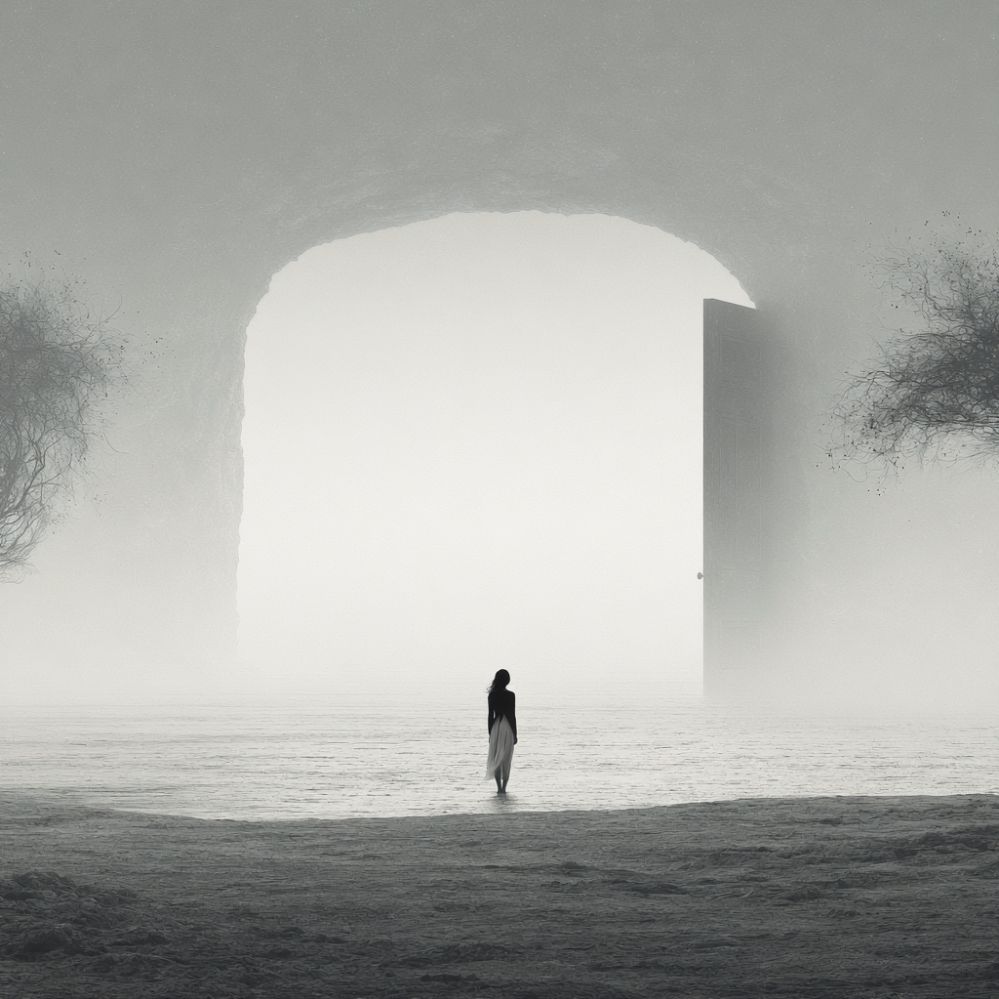 Dillon turns away from the familiar language of military glory to focus instead on the terrifying space through which soldiers pass: a hurricane of fear, loss and uncertainty. Against marching boots and straining guns, the poem searches for the fragile instant between one moment and the next, where life is reduced to pure, startling clarity. |
Writers: MacIsaac, Kluger, Zelnick
A summer gathering of fiction and essay from Dan MacIsaac, Adam Kluger, and Stephen Zelnick: three pieces that move through story, character, comic unease, and literary discovery, ending with the music and force of Rubén Darío’s New World imagination.
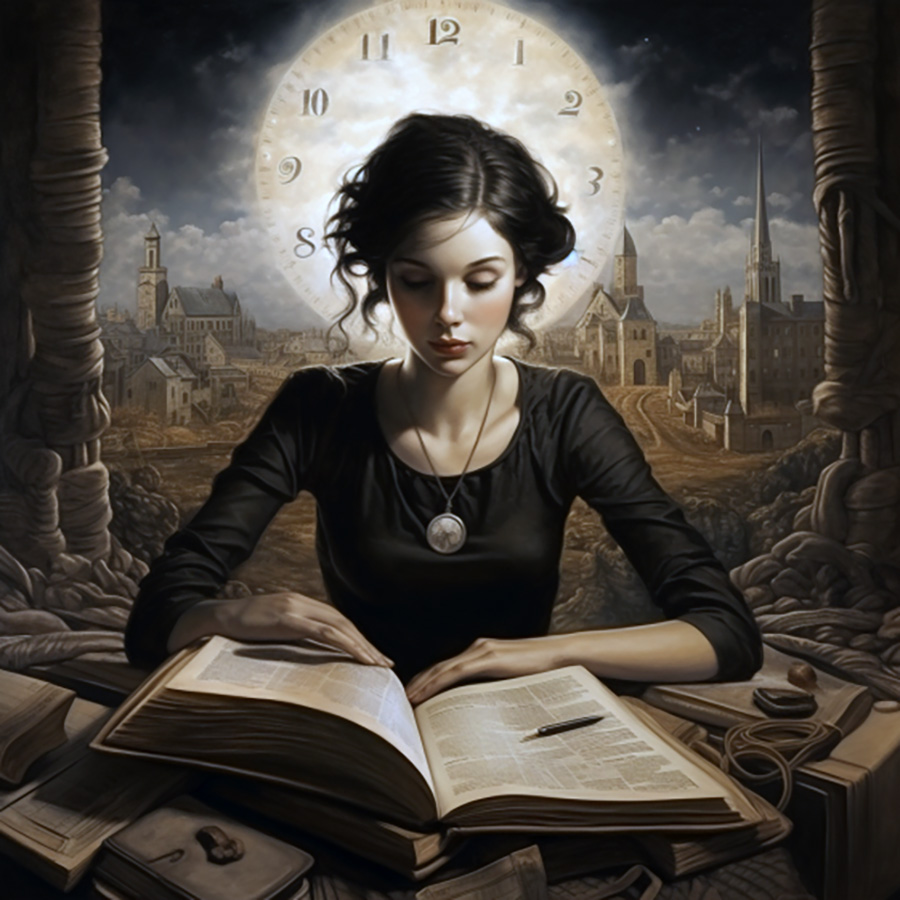
Dan MacIsaac’s “Cherry Ripe” follows a farm-bound son on Vancouver Island after his father’s death in war, as a fierce mother, hard labour, valley gossip, a schoolmaster, and the discovery of poetry draw him toward feeling, longing, and self-knowledge. |
 Adam Kluger’s “The Party” is a wickedly comic dialogue of literary appetite and social performance, where talk of prose, platform, food, friendship, and flesh turns darker by the line. |
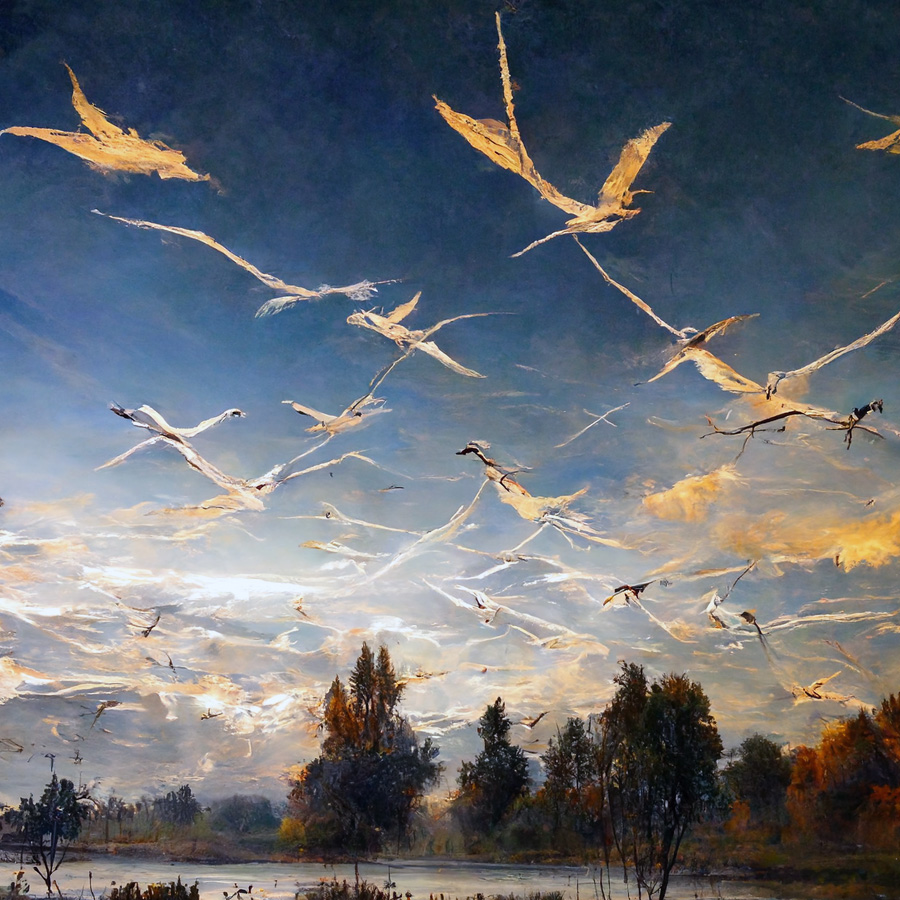 Stephen Zelnick’s “New World Poetry” follows Rubén Darío from Nicaragua into modernismo, politics, myth, and cultural resistance, tracing the music and force of a poet who carried the New World into literature. |
Art Used in our Summer 2016 Magazine
A visual companion to The Linnet’s Wings Summer 2016 gallery, gathering artwork, portraits, landscapes, symbolic images, and seasonal echoes of the issue’s poetry, fiction, memoir, essay, memory, imagination, and resilience.
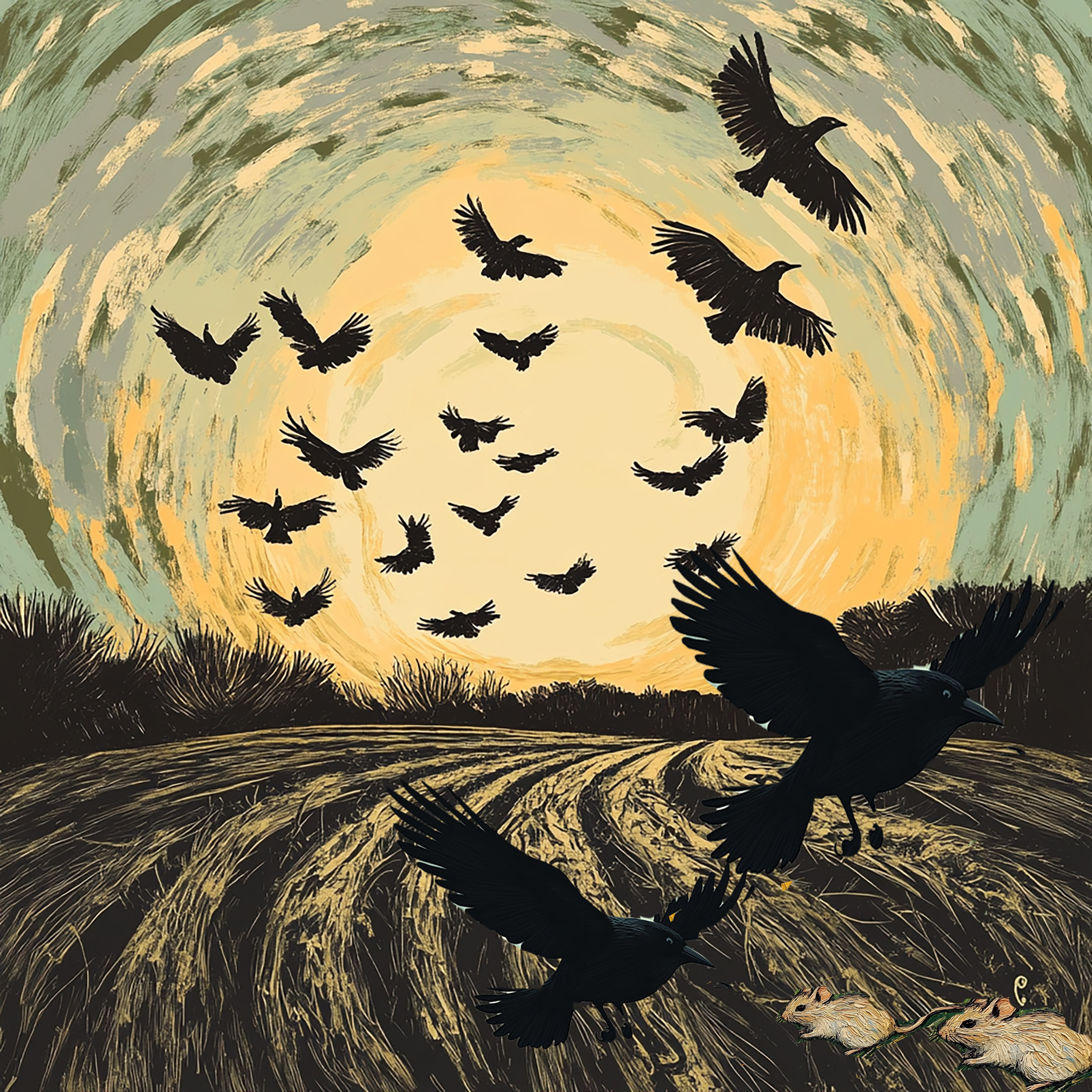
A visual companion to The Linnet’s Wings Summer 2016 gallery, gathering artwork, portraits, landscapes, symbolic images, and seasonal echoes of the issue’s poetry, fiction, memoir, essay, memory, imagination, and resilience. |
Writers: Walters, Graham, West
The three stories gathered here move through childhood, memory, labour, and inheritance. In scenes of rainwater, porch-light storytelling, family grief, and working lives marked by poverty and endurance, the ordinary world becomes charged with consequence. These works look closely at what is passed down: stories, losses, small loyalties, social wounds, and the stubborn human will to keep going.
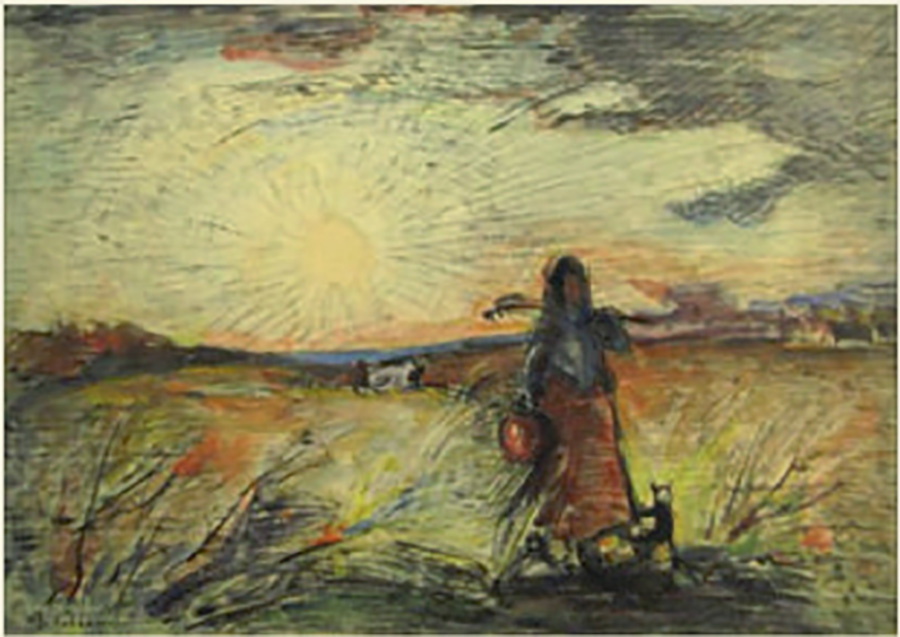
From Summer Porch Stories by Alkeith Walters follows Little Keith and the neighborhood children as they launch paper boats into the rainwater running along a suburban gutter. Their game of tiny battleships and imaginary kingdoms unfolds against a background of family grief, poverty, adult sorrow, and things children only half-understand. With quiet detail and a child’s watchful eye, the story captures a summer afternoon where play, fear, loss, and small betrayals drift together toward the dark m |
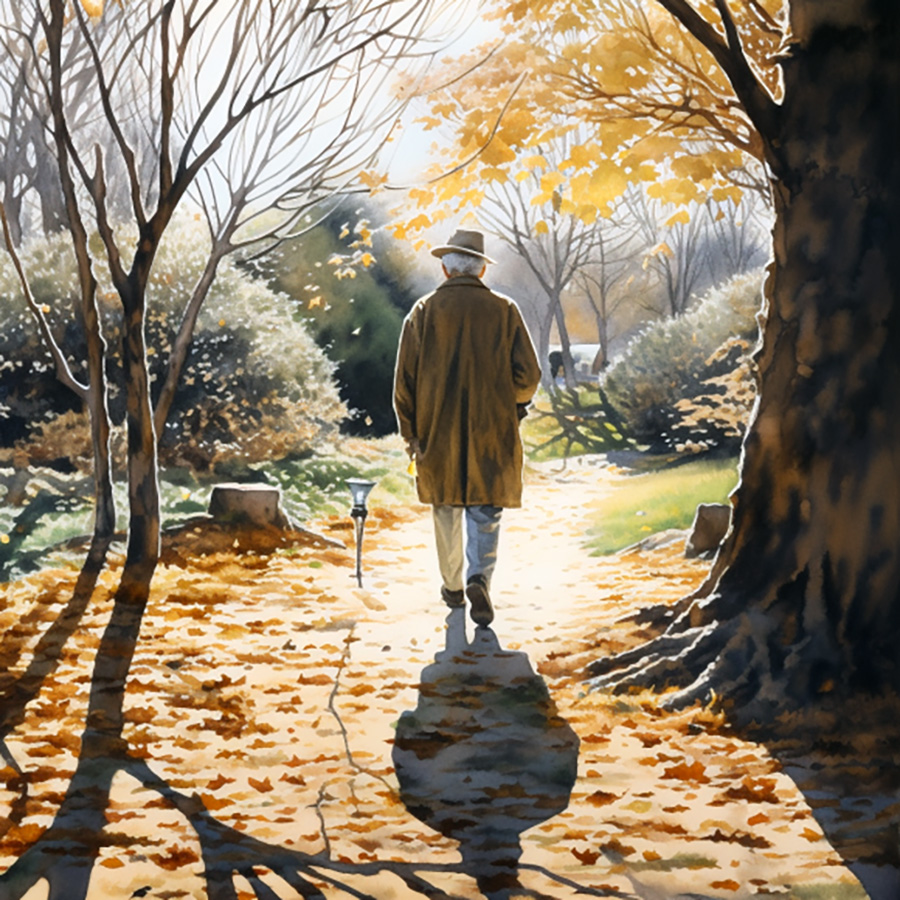 No Share in the Common Treasury by James Graham is a powerful memoir-essay tracing the author’s family history through generations of hard labour, poverty, grief, and exploitation. Moving from County Antrim to Glasgow, Ayrshire, and the long working life of his father Danny, the piece blends intimate remembrance with political conviction. Through the lives of farm labourers, factory workers, mothers, widows, and underpaid servants, Graham argues for dignity, shared ownership, and a fair place fo |
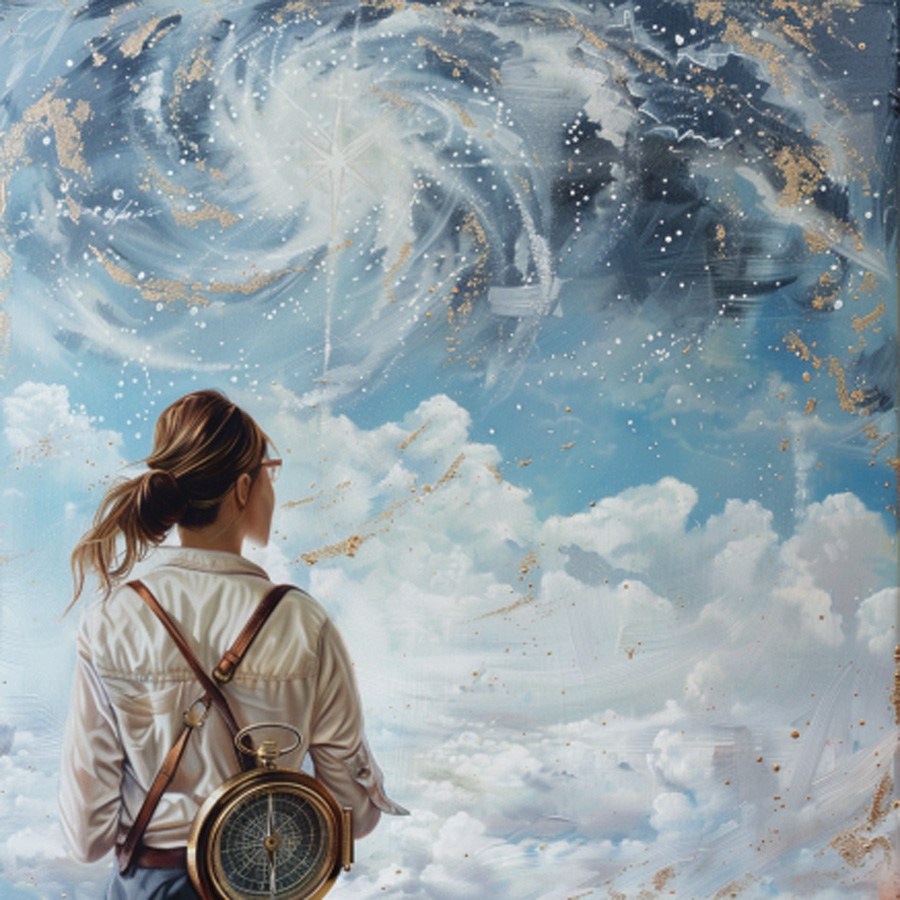 Capsize by Joseph West is a brief, sharp meditation on the hidden weight of mental distress. Using the image of a capsized boat as both joke and lifeline, the piece captures the strange mismatch between inner weather and the ordinary world outside, where the sun still shines and strangers still smile. Honest, self-aware, and quietly hopeful, it follows the speaker through a bad day toward the knowledge that the feeling will pass, and calmer shores can be reached. |
Poetry: Oleson, Sheehan and Bilman
Four poems of memory, weather, and inward reckoning: Anne Britting Oleson’s “December Dusk” gathers winter, loss, and silence around a ring laid in ashes, while Tom Sheehan’s “A Recall for Seamus Heaney” and “Trout Fishing with Rommel’s Last-Known Foe” move through haunted landscapes of Ireland, exile, war, survival, and return. Together, these poems listen to what remains after love, history, and memory have done their work, and then there's Bilman's 'The Gun.'

In “December Dusk,” Anne Britting Oleson turns a winter evening into a moment of private reckoning. Birch trees, breath-clouded glass, a removed ring, and ashes on the hearth gather into a stark poem of loss, cold, and emotional release. |
 In “A Recall for Seamus Heaney,” Tom Sheehan writes a haunted tribute of memory, inheritance, and return. A dark kitchen opens into older Irish landscapes — curraghs, field fires, stone walls, hunger, exile, and Roscommon calling — until the speaker walks toward himself through the echoes of the past. |
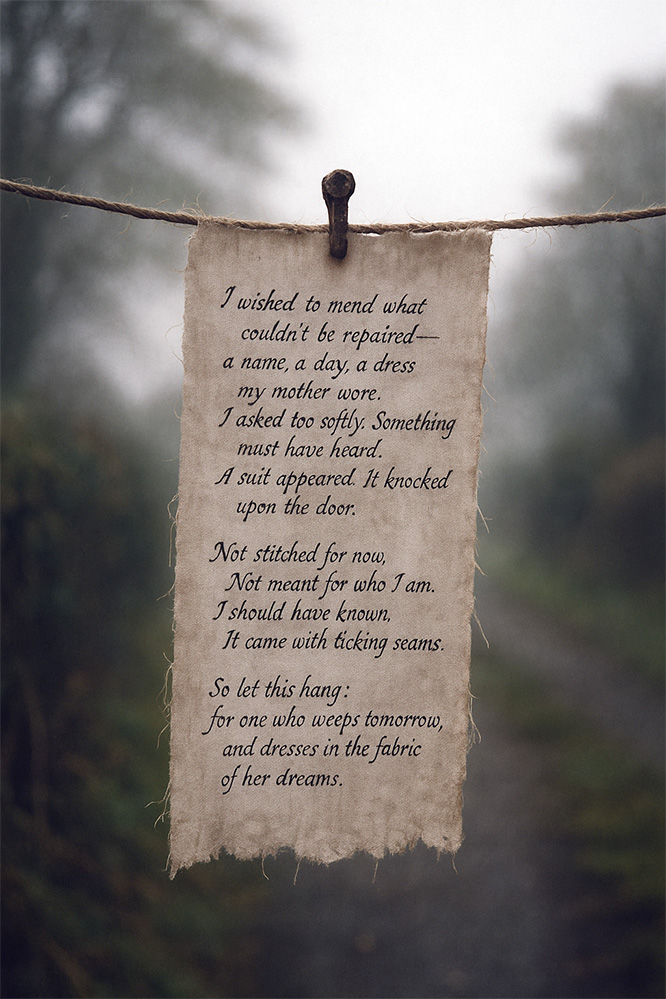 In “Trout Fishing with Rommel’s Last-Known Foe,” Sheehan turns a quiet fishing scene into a vivid act of remembrance. Beneath bare alders and October crows, an old soldier’s memories of shrapnel, desert warfare, buried comrades, and Egypt’s shifting sands rise through the present, binding battle, survival, and memory into one powerful elegy. |
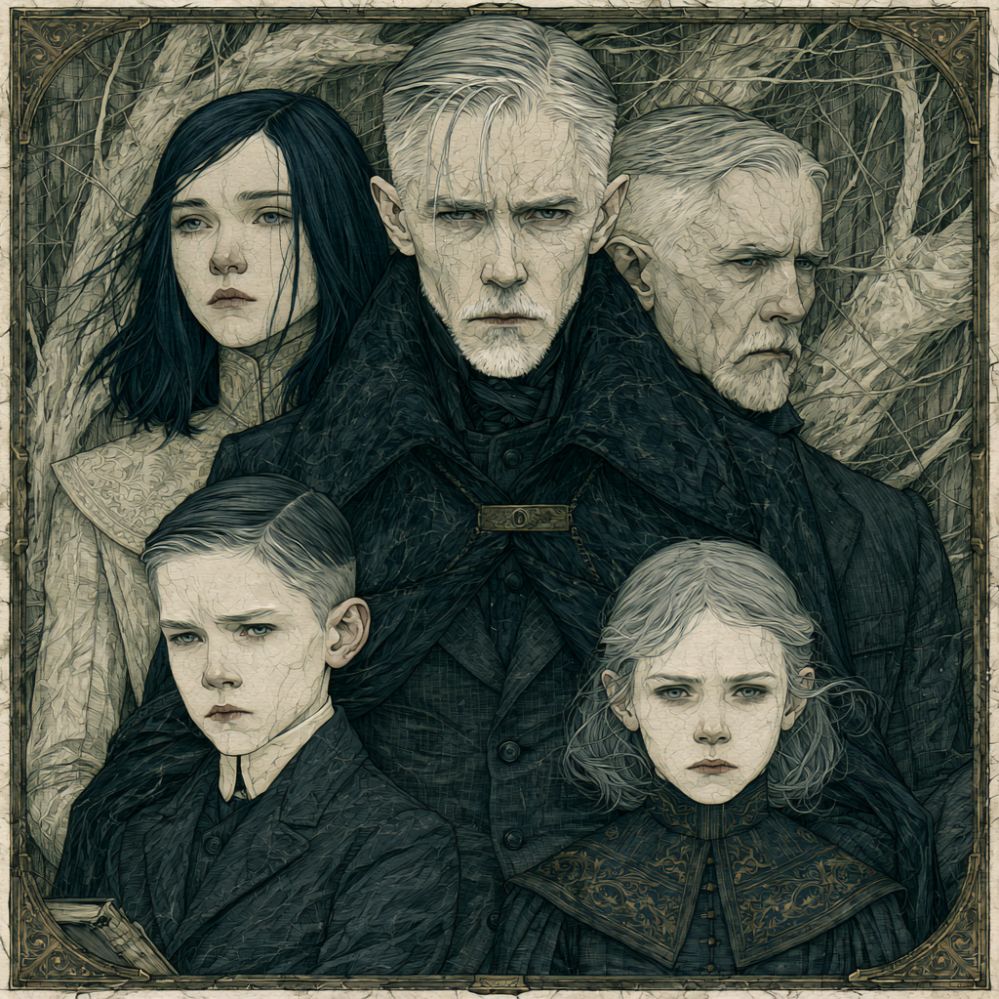 In The Gun, Emily Bilman confronts the psychology of violence through the figure of a lone gunman whose rage turns first upon others and finally upon himself. Stark and compressed, the poem traces a terrible passage through alienation, guilt, bloodshed, and self-destruction, ending with the haunting image of the weapon as a “sin-eating gun.” |
Writers: Graham and Mallory
This display brings together language, art and cultural history: James Graham celebrates the Scots tongue and its poetic makers in Anent the Scots Leid an its Makars; the 2016 Summer Gallery offers a visual pause among the issue’s writing; and Scott Mallory traces the rise and sorrow behind an American success story marked by tragedy.
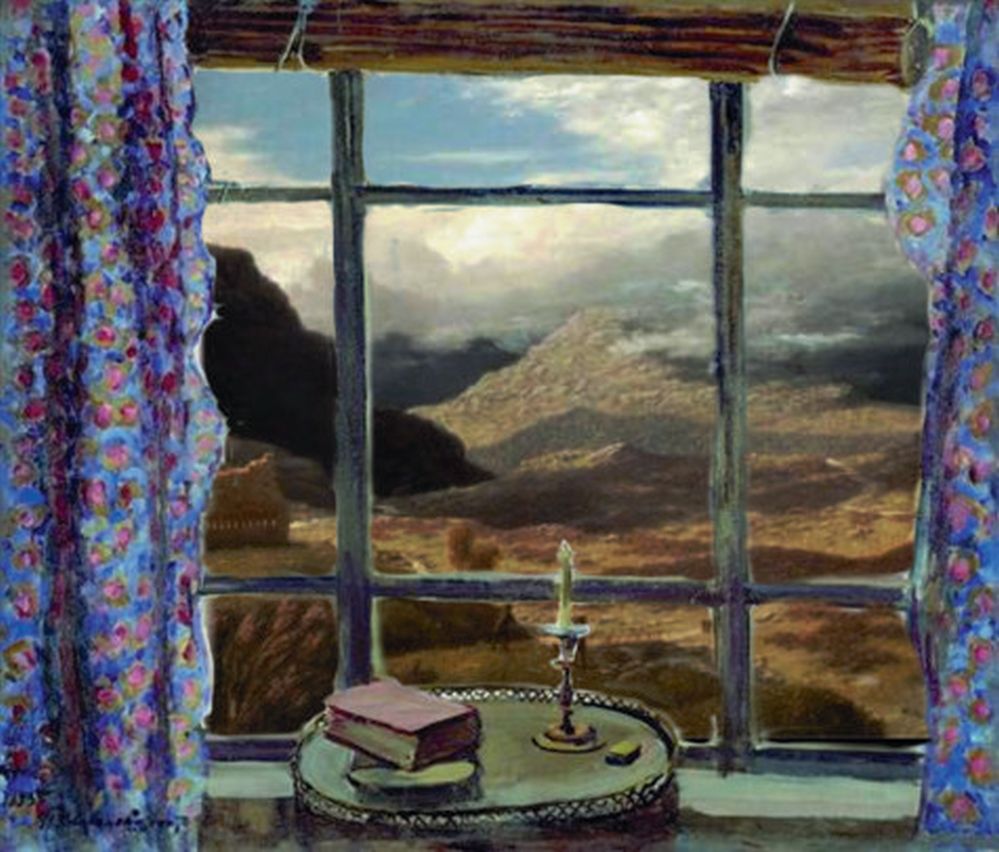
James Graham explores the history, character and survival of the Scots language through its poetry. Moving from everyday speech and the Psalms to Robert Burns and Hugh MacDiarmid, he shows how the makars have kept Scots vibrant, expressive and deeply rooted in Scotland’s literary life as he builds forward. |
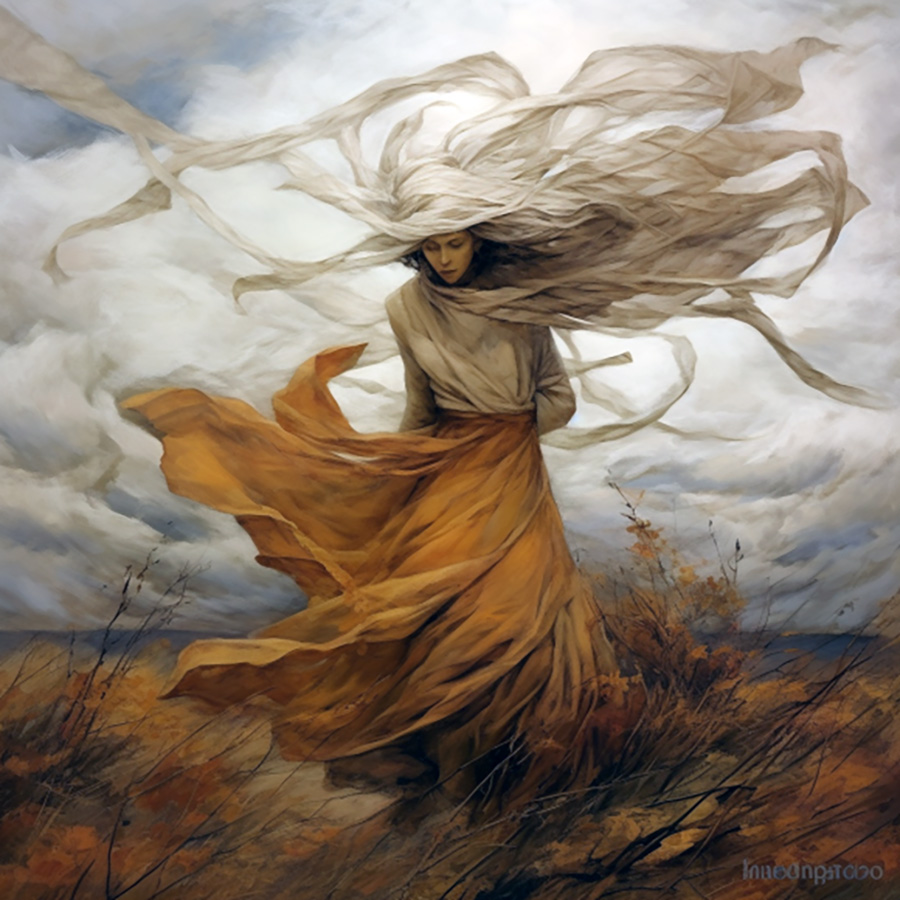
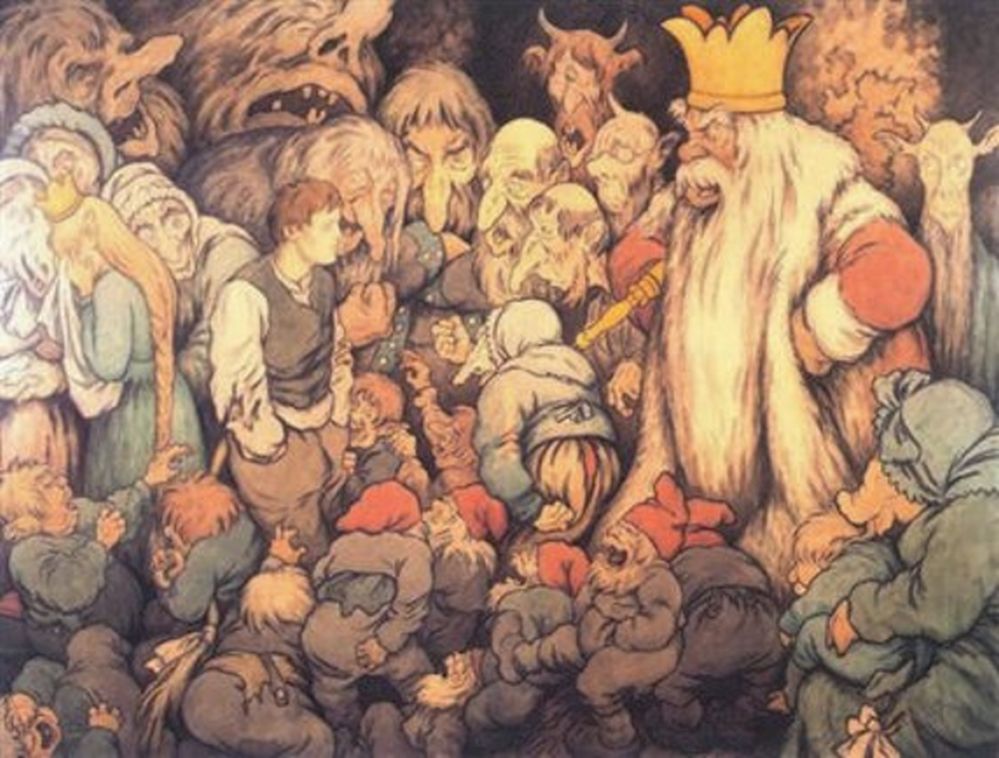 The Summer Gallery gathers public-domain, photo shopped and digitally adapted images and contributor artwork from the quarterly issue, ranging from fairy-tale illustration and Symbolist unease to richly coloured landscapes. Together, the images form a varied visual companion to the season’s poetry, stories and essay |
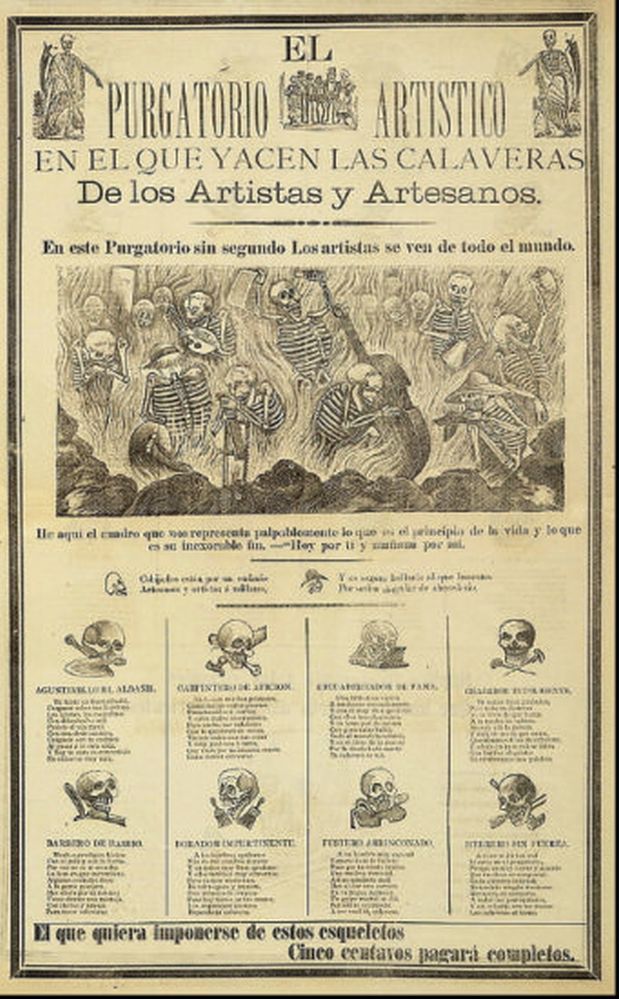 Scott Mallory traces the rise of ruthless businessman Caleb Toolbee and the private tragedy that shadows his success. When Caleb’s violent son Todd attacks a disabled mechanic, the encounter ends in death, leaving a community to weigh wealth, power, revenge and the painful limits of justice. |
Poets: Verlaine, Duggan
Three poems of haunted places and wounded lives move from the battered Devon coast to a Venetian waterside and the darker streets of Dublin. Sea, rain, memory, and grief bind them together, revealing landscapes marked by absence, sudden sorrow, and the ghosts of what cannot be undone.
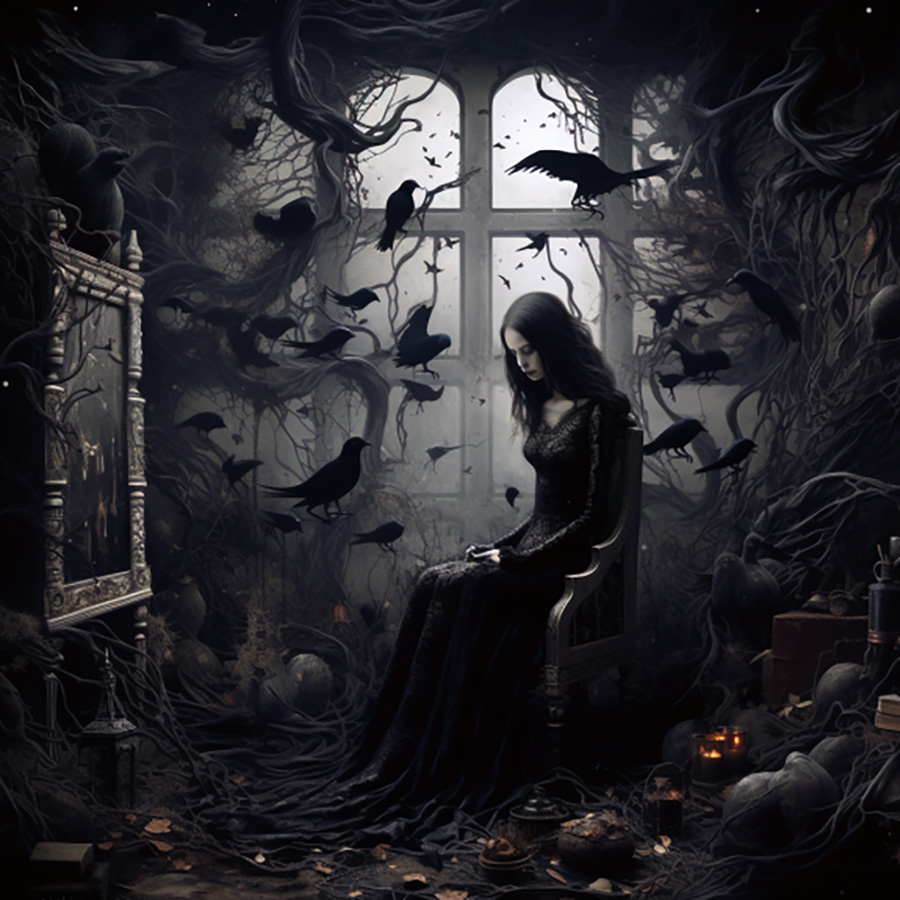
A dark and accusatory poem addressed to a grieving mother, tracing poverty, abandonment, secrecy, and the death of a child. Through recurring images of rain, mirrors, buried truth, and unanswered guilt, the poem exposes a tragedy that refuses to remain hidden. |
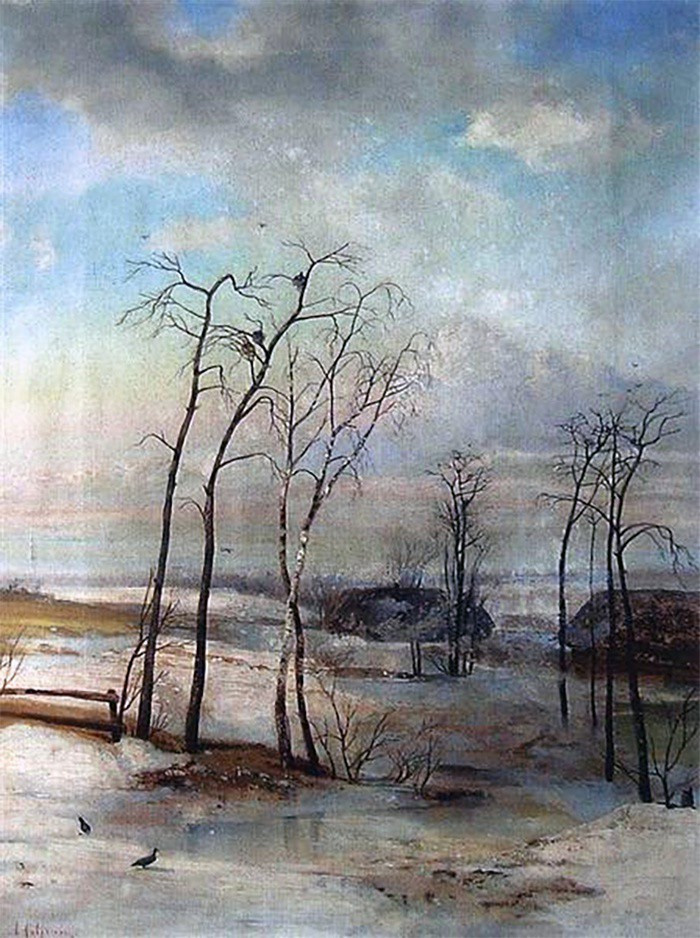 Set beside the glittering waters of Venice, this poem captures a private moment of devastation unfolding within an ordinary afternoon. A young woman receives painful news, and the beauty around her is transformed by grief, memory, and the sudden breaking open of the heart. |
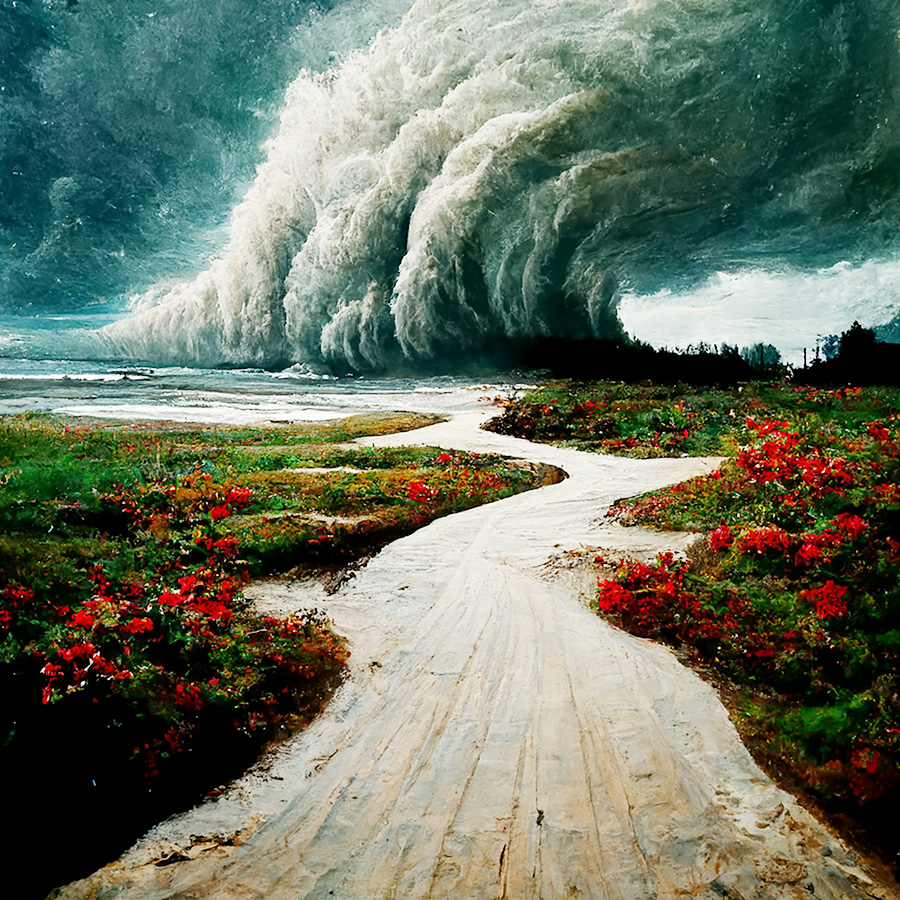 A windswept journey along the Devon coast, where ruined defences, fishing villages, sea birds, and broken shorelines become vessels for memory. The poem evokes a landscape haunted by history, hardship, and the lingering presence of lives shaped by the sea. |
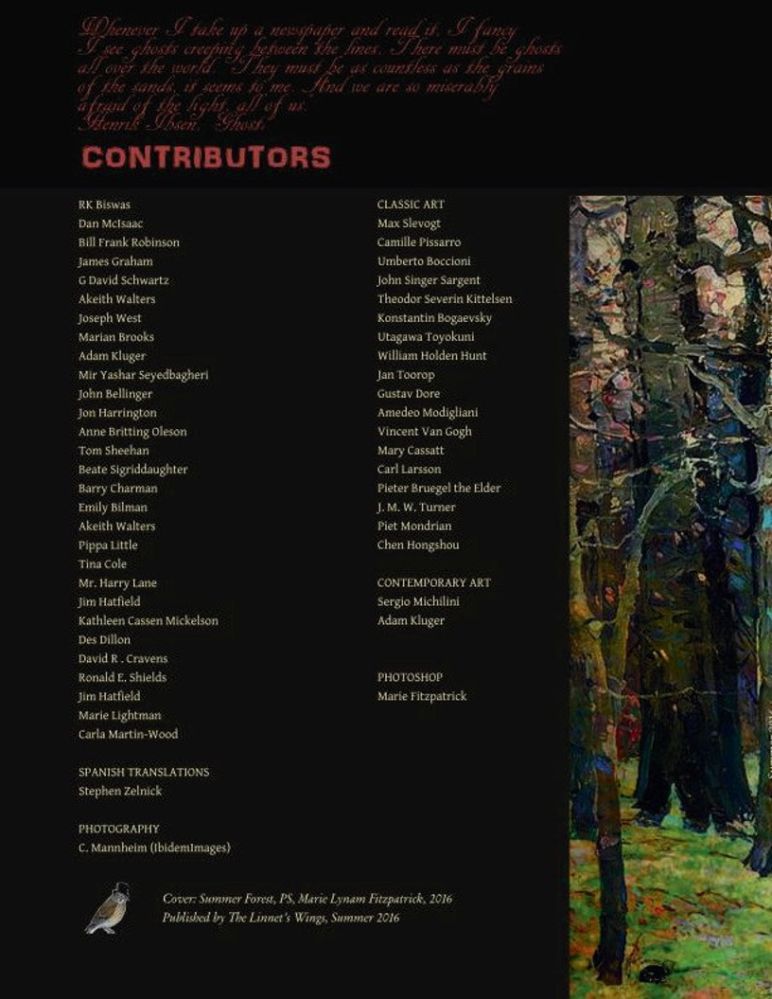
List of Contributors to The Linnet's Wings Summer 2016 Issue
Mari Fitzpatrick
Published by The Linnet's Wings 2016
All rights reserved. No part of this publication may be reproduced, distributed, or transmitted in any form or by any means, including photocopying, recording, or other electronic or mechanical methods, without the prior written permission of the publisher, except in the case of brief quotations embodied in critical reviews and certain other noncommercial uses permitted by copyright law. For permission requests, mail the publisher at thelinnetswings@gmail.com
Ordering Information:
Single Copies available from our website: www.thelinnetswings.org
Quantity sales. Special discounts are available on quantity purchases by corporations, associations, and others. For details, mail the publisher at the address above.
ISBN-13: 978-1532854323
ISBN-10: 1532854323
Summer 2016 First Edition