FRANKMINTED
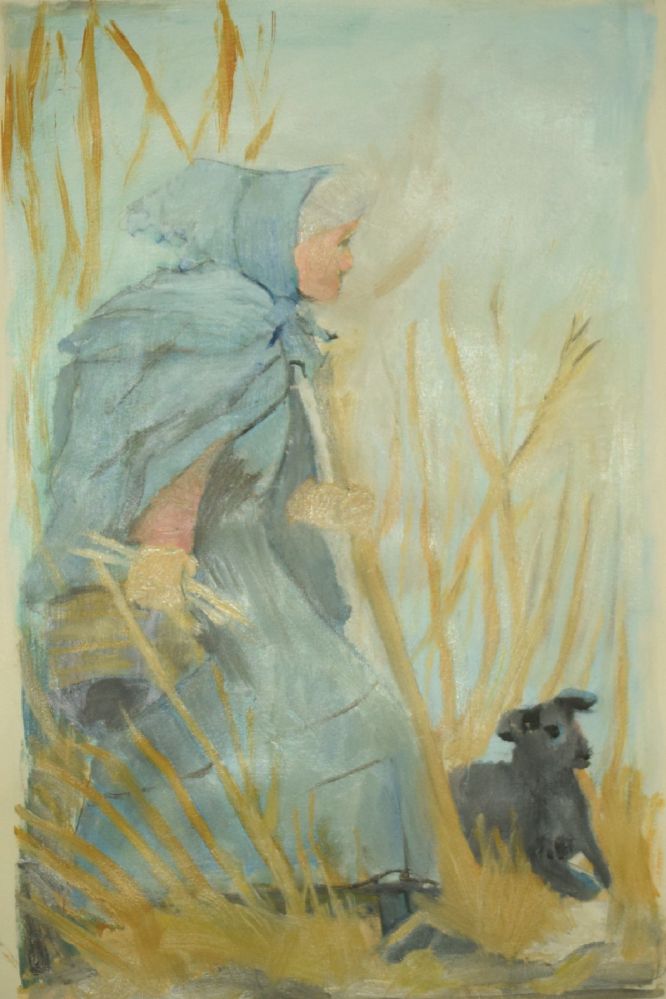
The cover of FRANKMINTED: The Linnet’s Wings — Halloween 2026 features Old Mother Autumn, a mixed-media artwork of a woman moving through dry autumn growth, accompanied by a small dark animal.
旅に病んで夢は枯野をかけ廻る |
Poetry: West
West’s poems offer a steady passage between our darker brackets. In “Flat Land”, he steps into Escher’s disciplined wonder, where pattern becomes paradox and the mind learns to doubt the floor beneath it. “Kissing Stones or Lost in the dark” brings us into Irish stonework and pilgrimage, rising from the dungeon-dark to the bright folklore of blessing. And “imminent exits” closes with a quiet seasonal turn — that late-summer knowledge that change is already at the roadside.
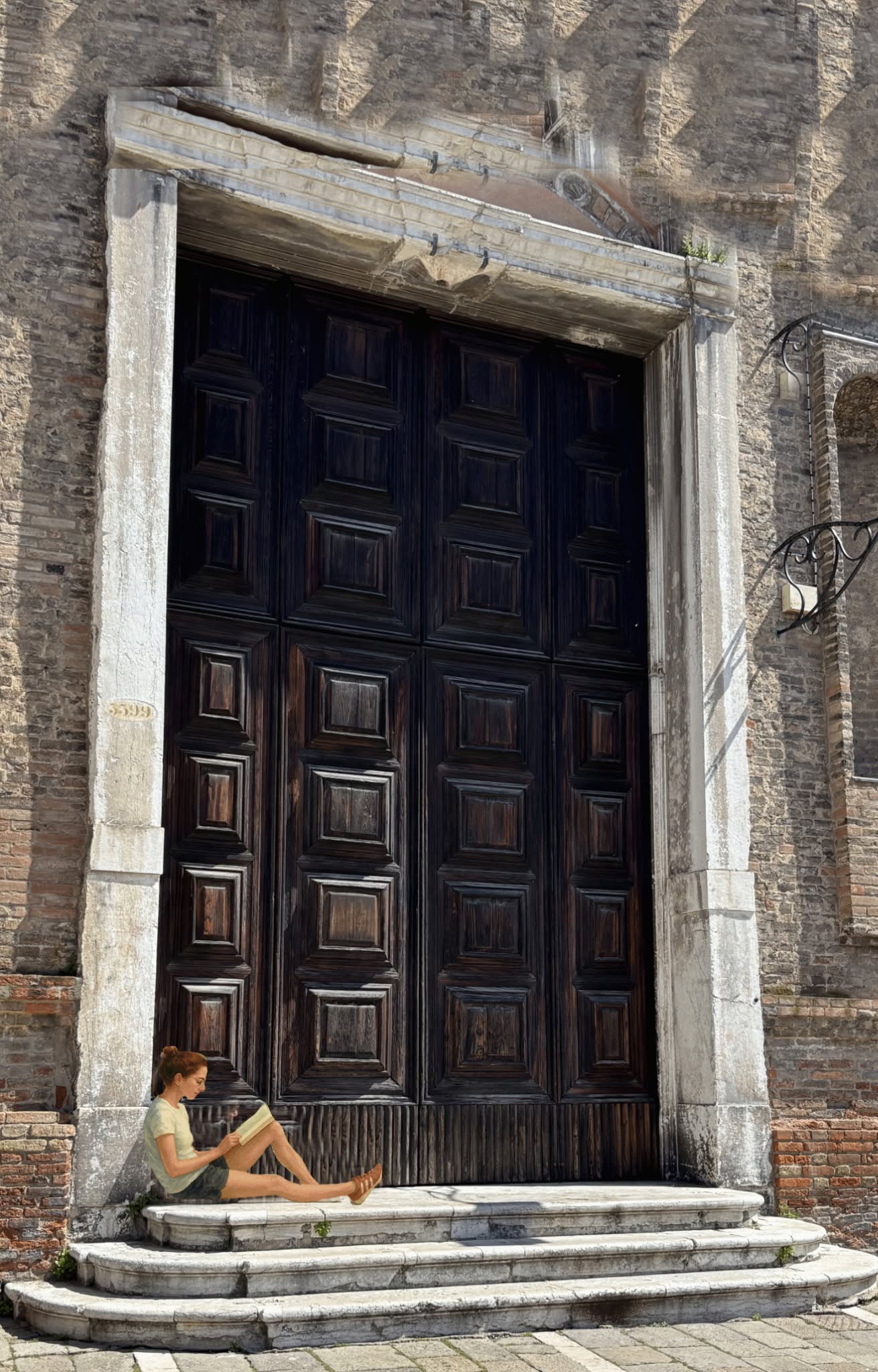
Poems by Bill West |
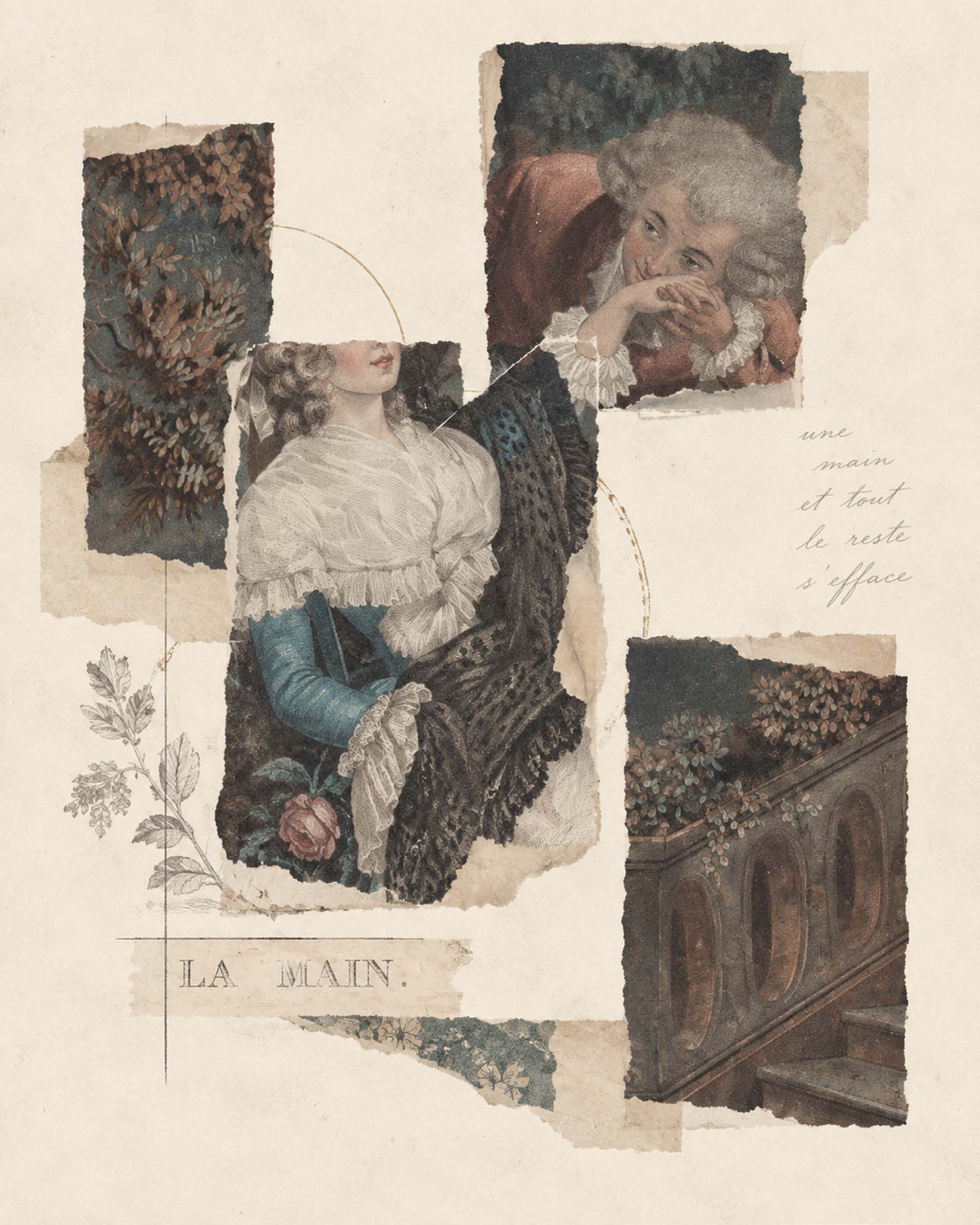 Art/Photo Wall from our Print Magazine |
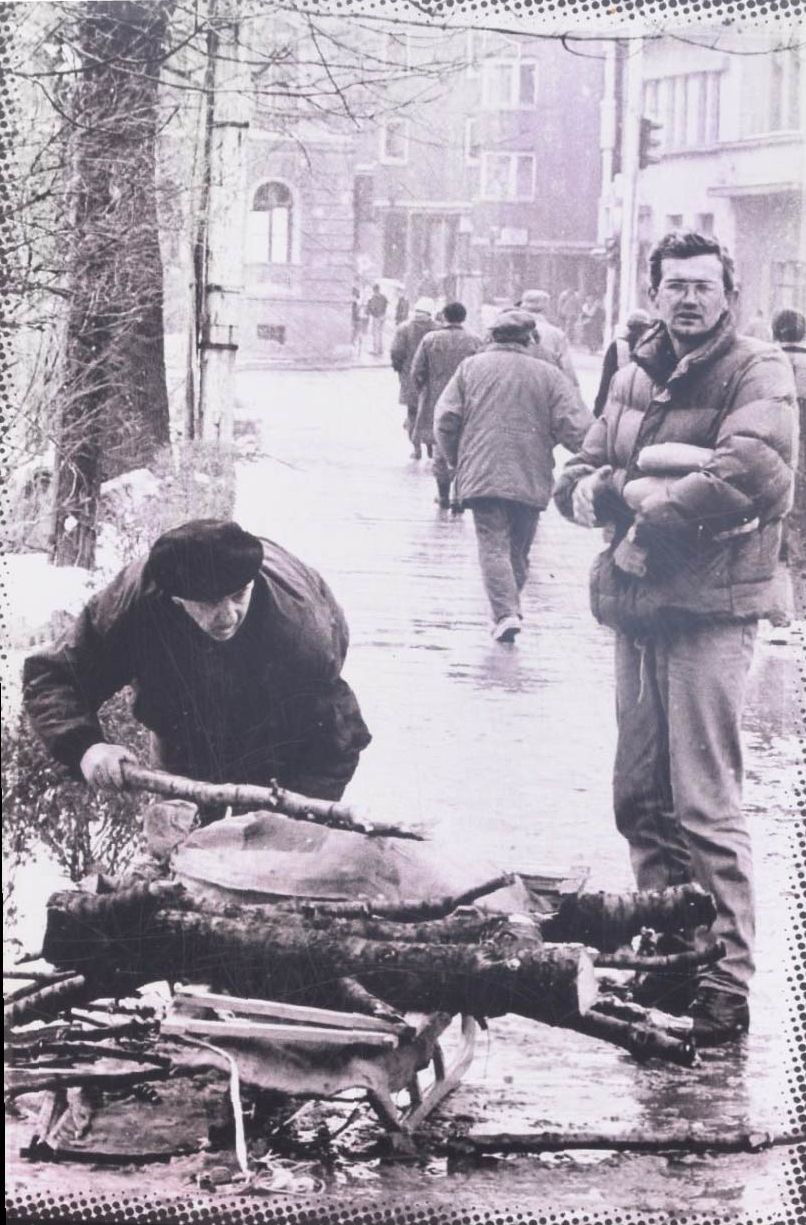 They Tunnel of Hope, Sarajevo, 2026 |
Translations by Michael Wooff
Two translations by Michael Wooff bring different kinds of darkness into FRANKMINTED. In the mountain village, the story of Old Casca blurs folklore and fearful memory; in Renaissance Florence, plague exposes the passions and choices of those who believe themselves beyond its reach. Both tales ask what people become when death draws near.
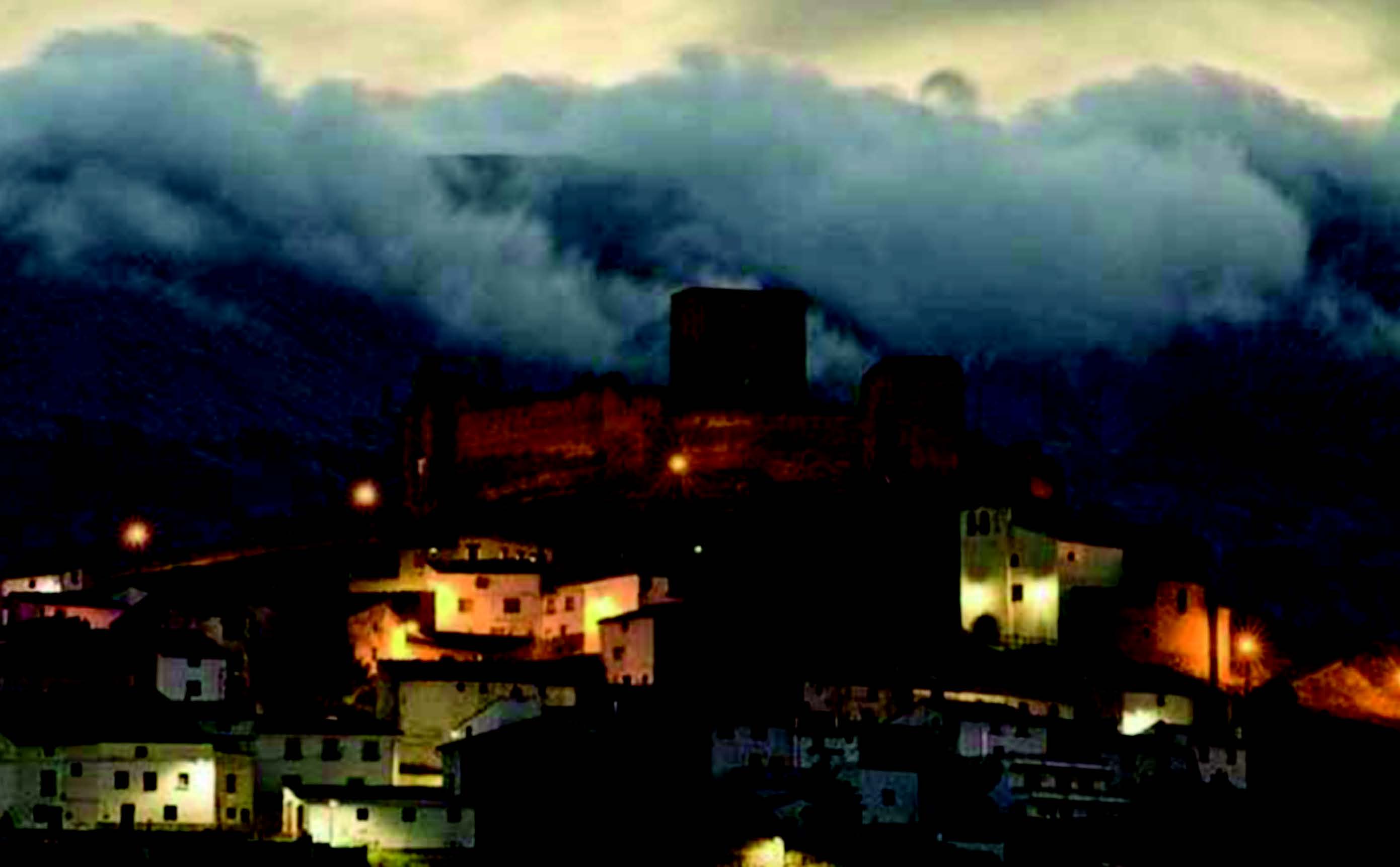
Casca |
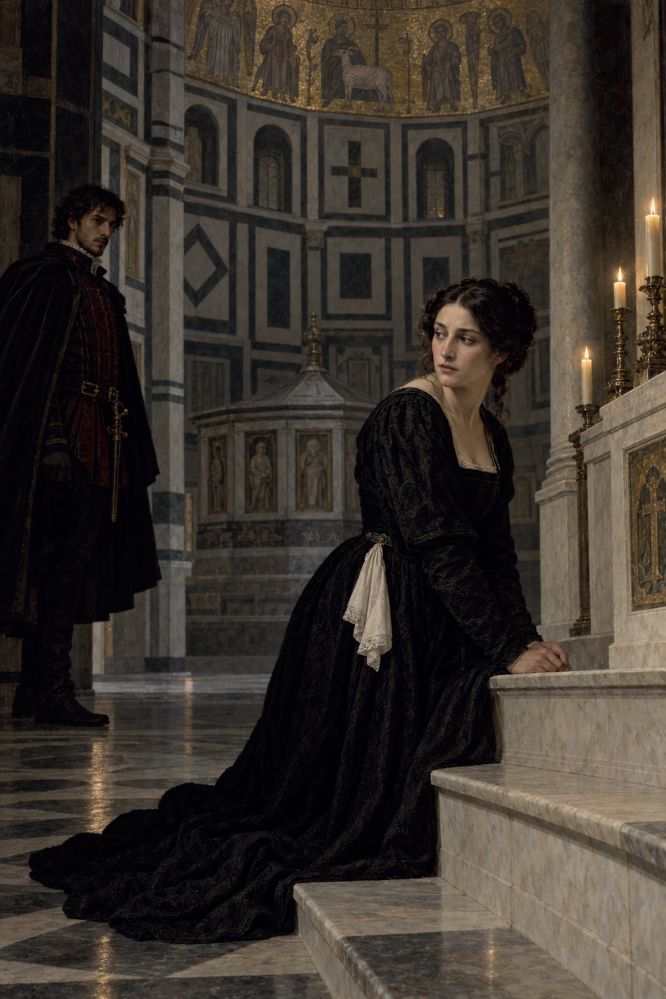 Anno Pestis |
Le Fanu and Longfellow (Classic)
Two nineteenth-century poems meet in this display: Le Fanu’s meditation on memory and the joys we carry from the past, and Longfellow’s assurance that difficult days belong to every life—and do not last forever.
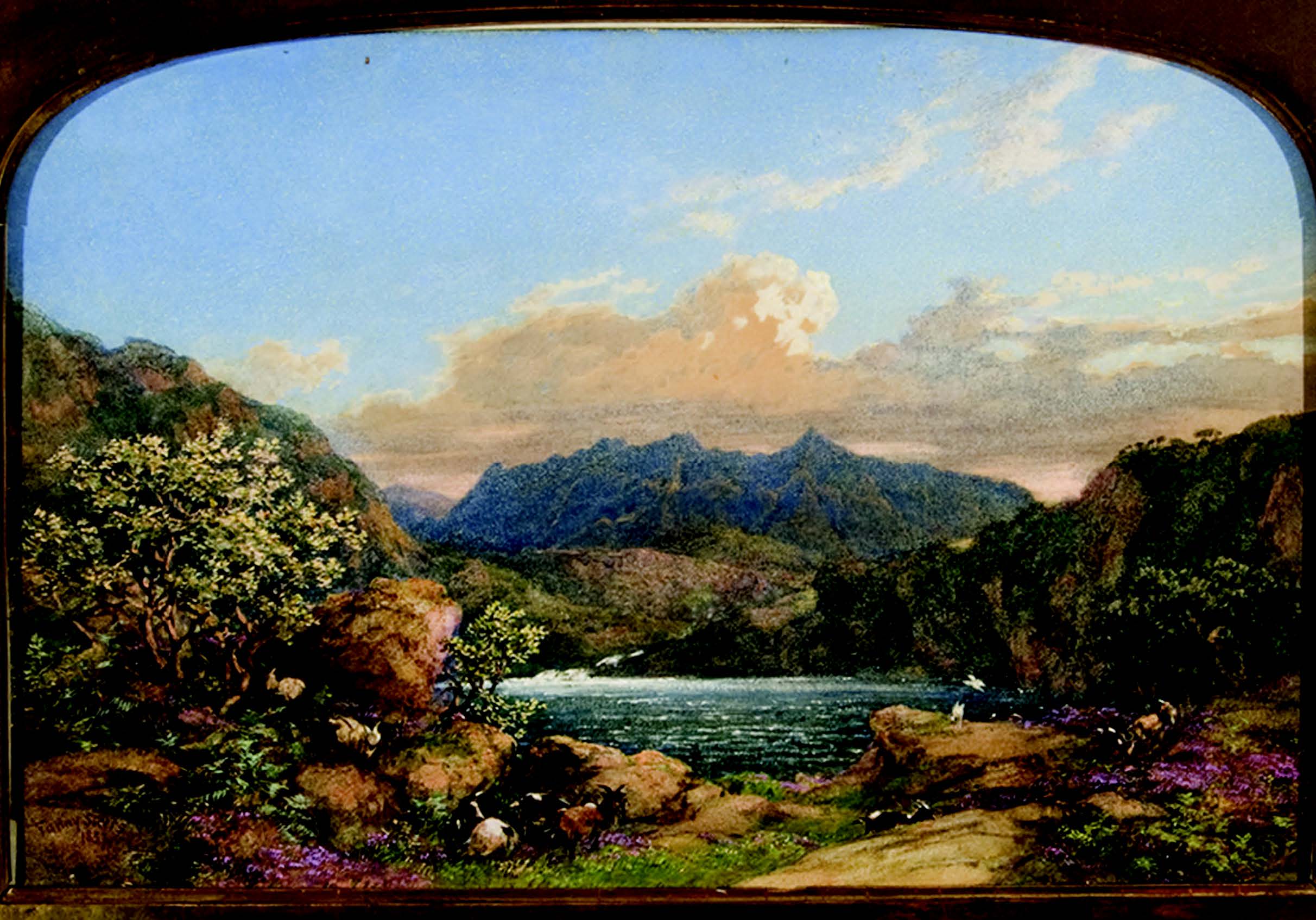
A reflective poem by Irish writer Joseph Sheridan Le Fanu, in which a sound on Killarney’s shore awakens echoes of the past. Though memory holds grief as well as joy, the speaker cherishes it for the happiness that lives on in recollection. |
Poetry: John C, Mannone
John C. Mannone’s three hybrid works bring ghosts, uncanny art and a storm-haunted flight into conversation with science, memory and myth. Moving between prose and linked verse, they test the boundary between the explainable and the supernatural, with wit, imagination and a keen sense of dang
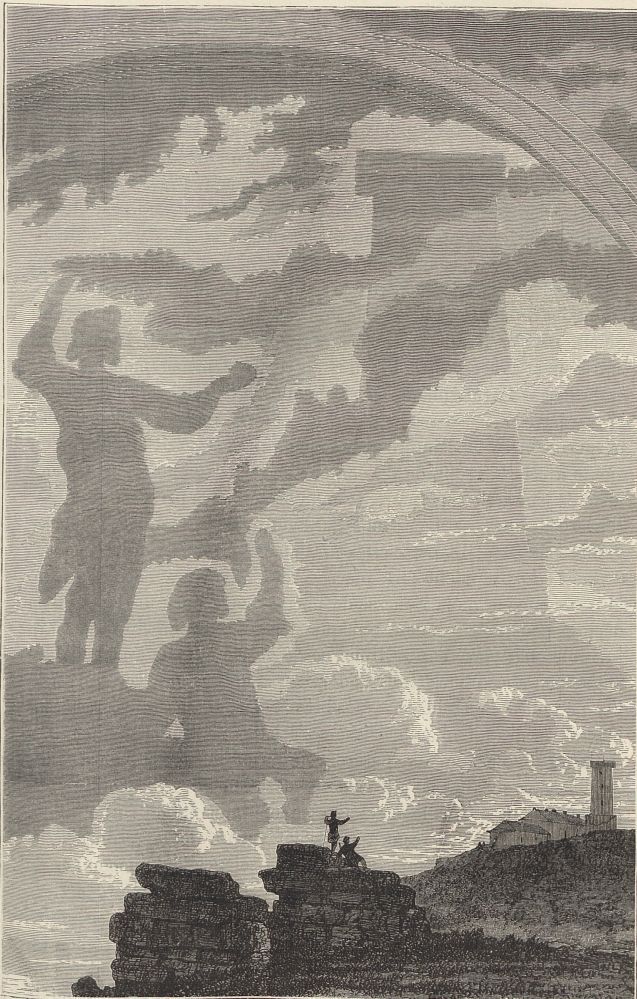
Ghosts |
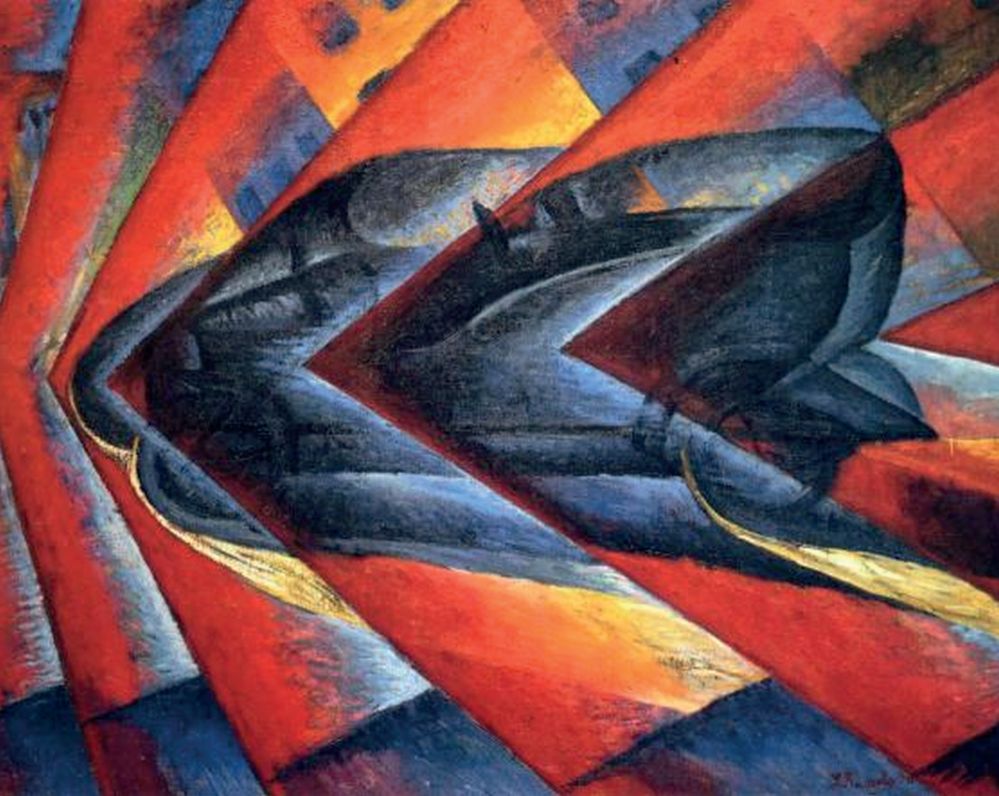 Smiles Trapped in the Imron Glaze |
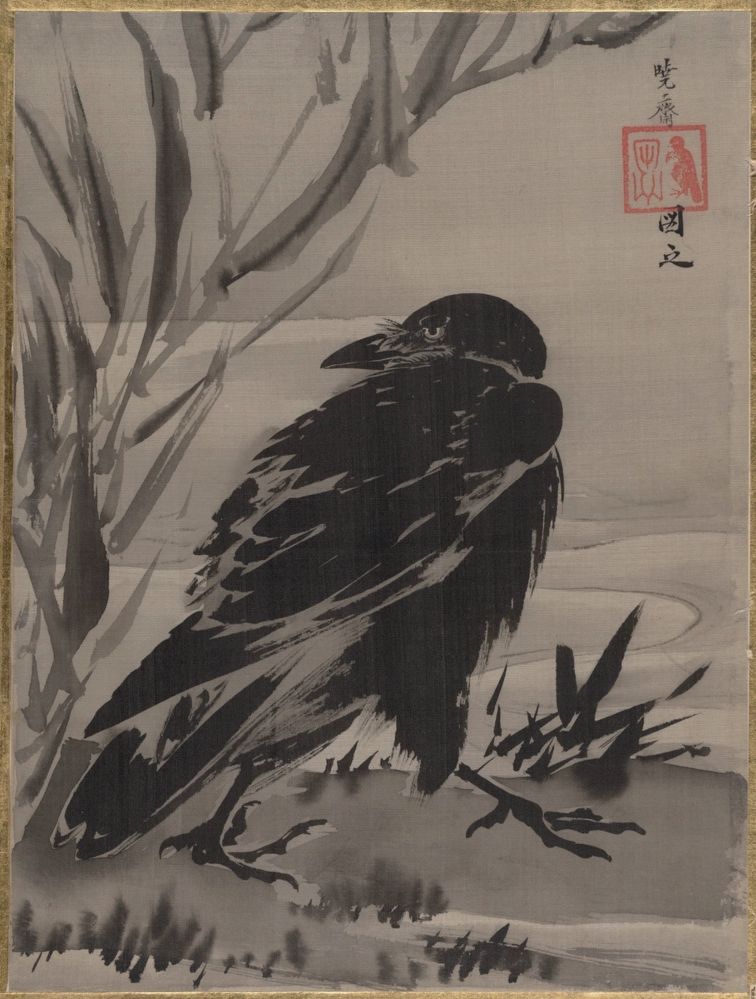 Prince of the Air |
Micro: Susan Tepper
Susan Tepper’s micros return to a woman and the soldier Petrov, whose lives are shaped by war, separation and grief. Through winter hardship, a lost child and questions that have no easy answers, the pieces give intimate voice to the endurance—and longing—for a life beyond conflict.
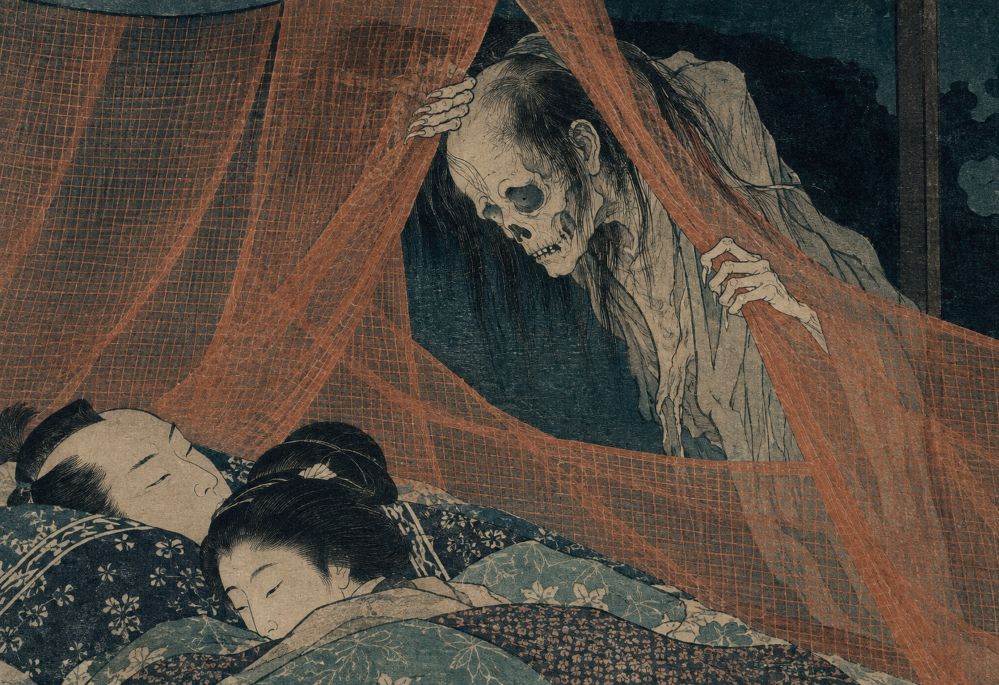
After The Winter Before |
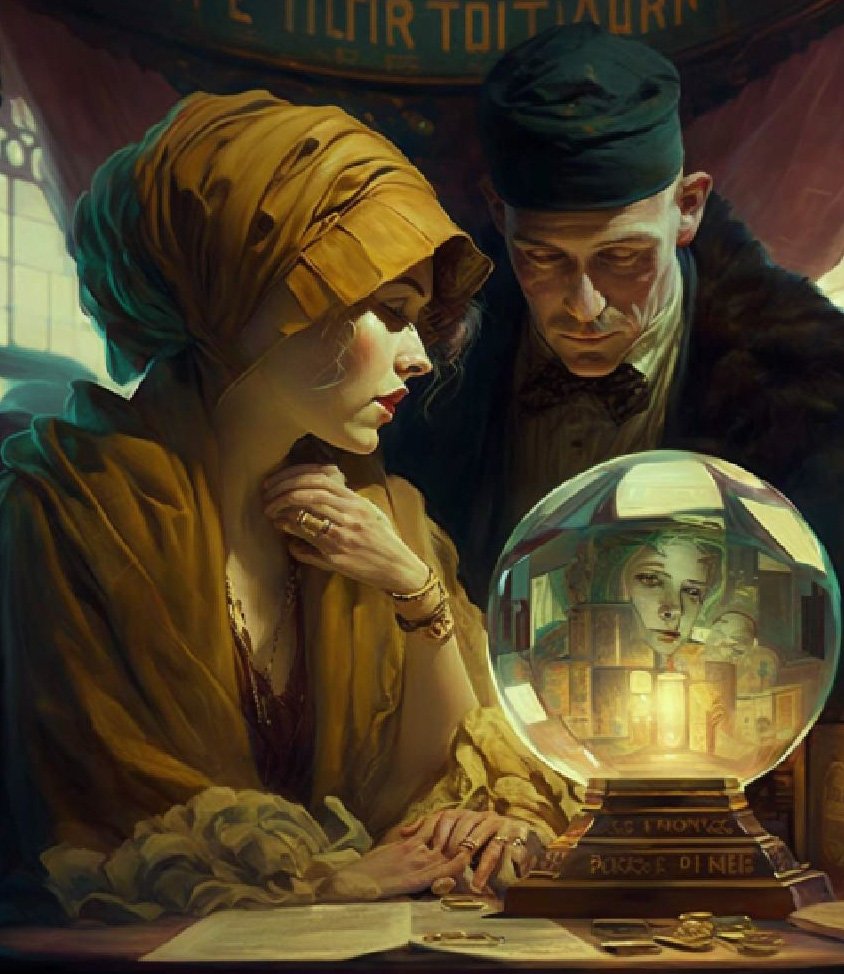 Announce |
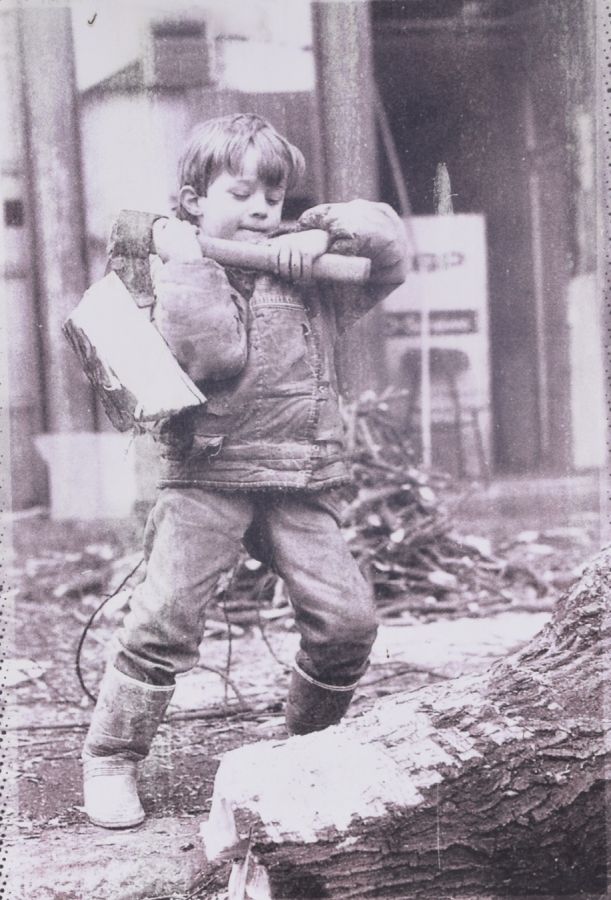 Never |
Poetry: LindaAnn LoSchiavo
LindaAnn LoSchiavo’s poems turn to the histories and legends of witchcraft: the Salem trials, the laws that condemned women, and the enduring superstition surrounding Macbeth. Together, they examine how suspicion and power shape the image of the witch—and how women’s voices and mysteries continue to survive.
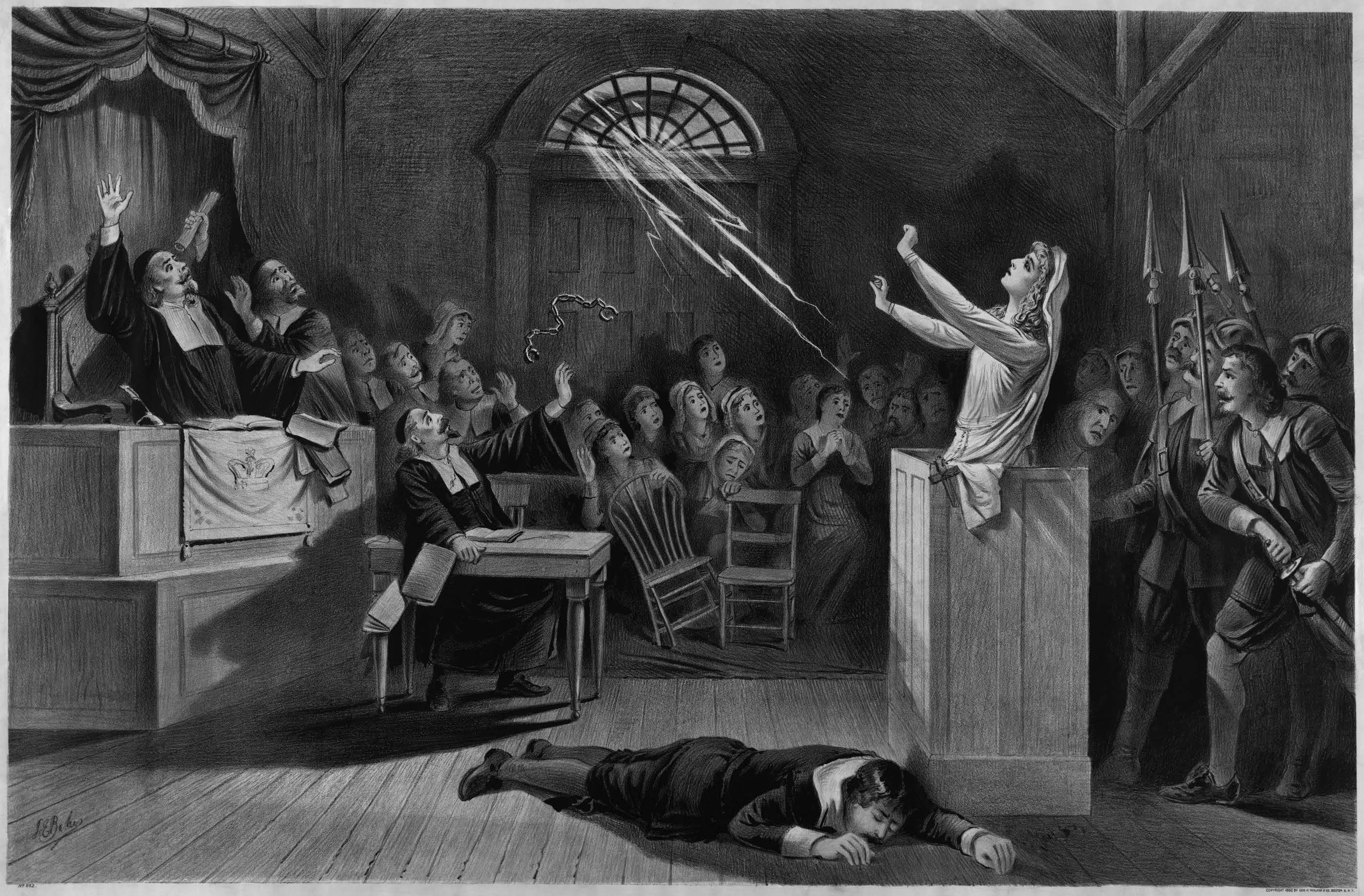
“Villanelle: Salem, Massachusetts, 1692” — LindaAnn LoSchiavo |
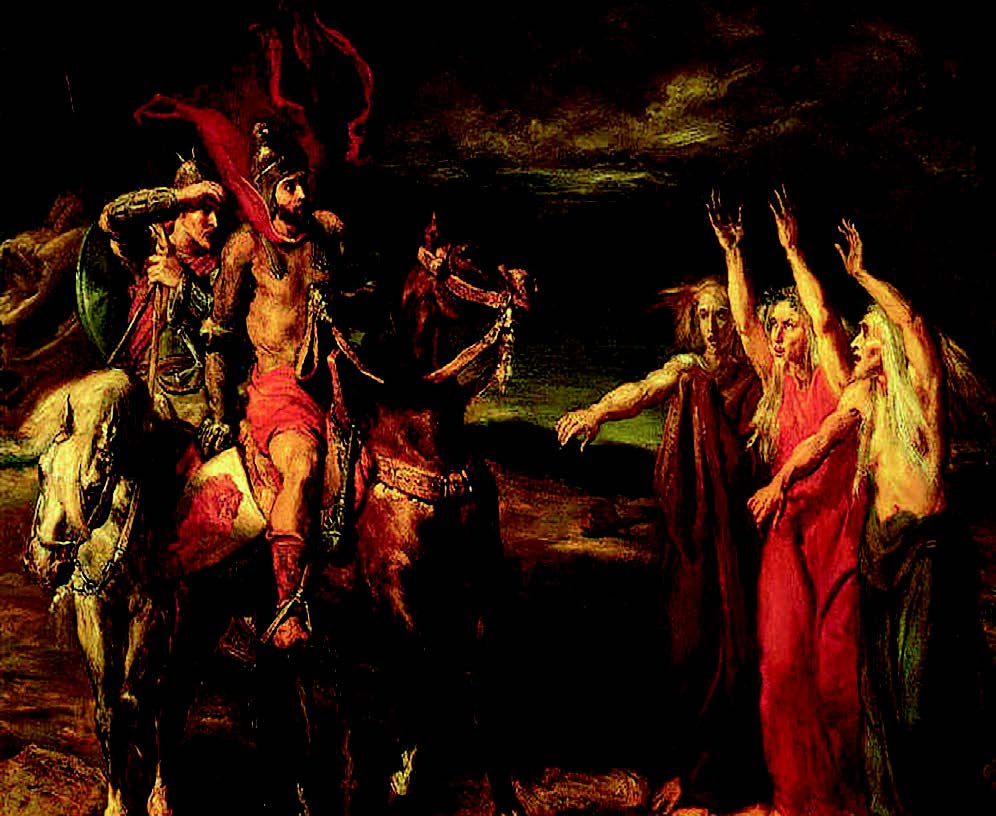 “Secrets of the Spell” — LindaAnn LoSchiavo |
Essays: Stephen Zelnick
These two essays examine the stories a society tells itself. One turns to Orwell and the machinery of political power, language and belief; the other finds cultural anxieties in the monsters and nightmares of pre-Code Hollywood. Together, they invite us to look beneath familiar narratives—and notice what they reveal.
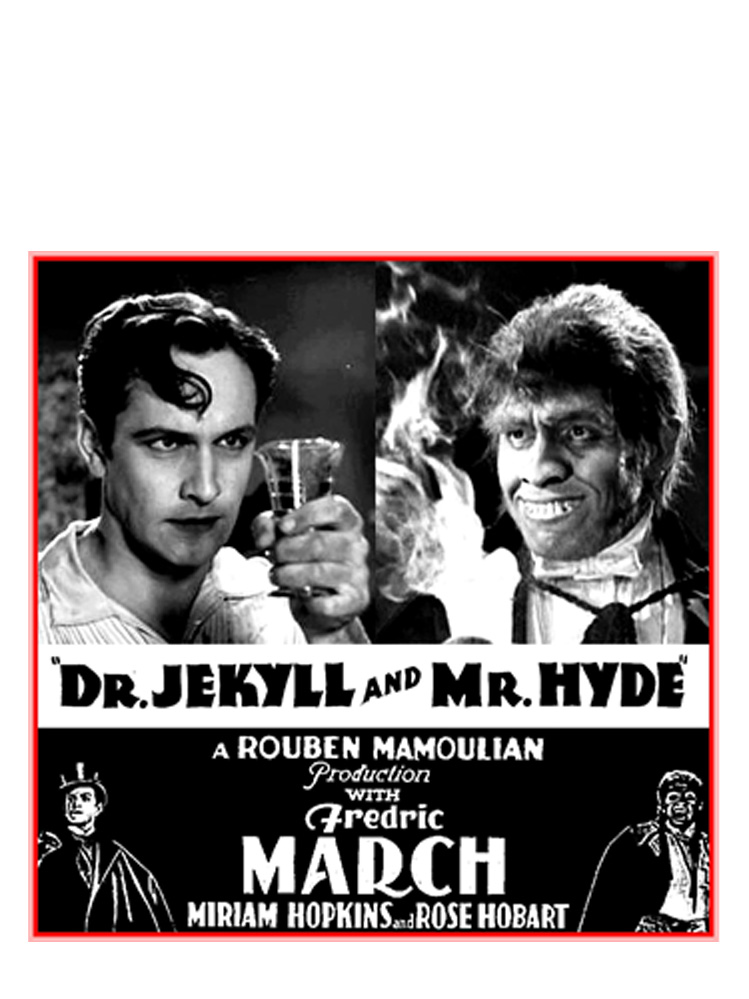
Orwell’s World |
 New Horror Reviews |
Poetry: Joslin and Kirchner
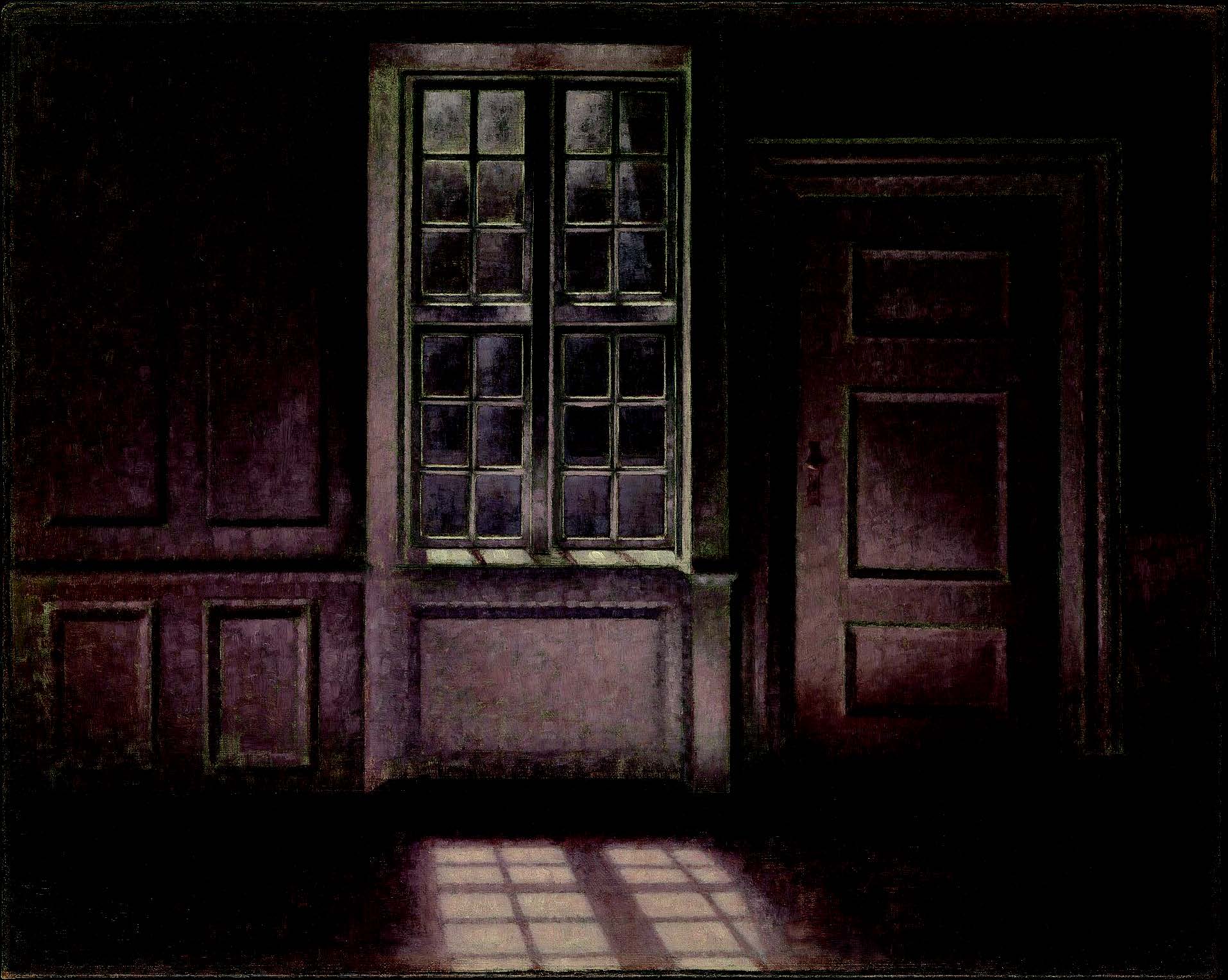
“An Early Encounter with Death” — Oonah Joslin |
Unyield” — Craig Kirchner |
“Now And Zen And The Continuum” — Oonah Joslin |
“All Saint’s Eve 1970” — Craig Kirchner |
Classic: — Joseph Sheridan Le Fanu
This display pairs Joseph Sheridan Le Fanu’s An Authentic Narrative of a Haunted House with Mari Fitzpatrick’s editorial, “What the House Keeps.” Le Fanu’s story gathers unsettling fragments—a shadow, a red light, unexplained footsteps and a buried bone—while the editorial considers how those fragments invite us to imagine the missing whole. Together, they explore haunting, memory and the mysteries a house may hold.
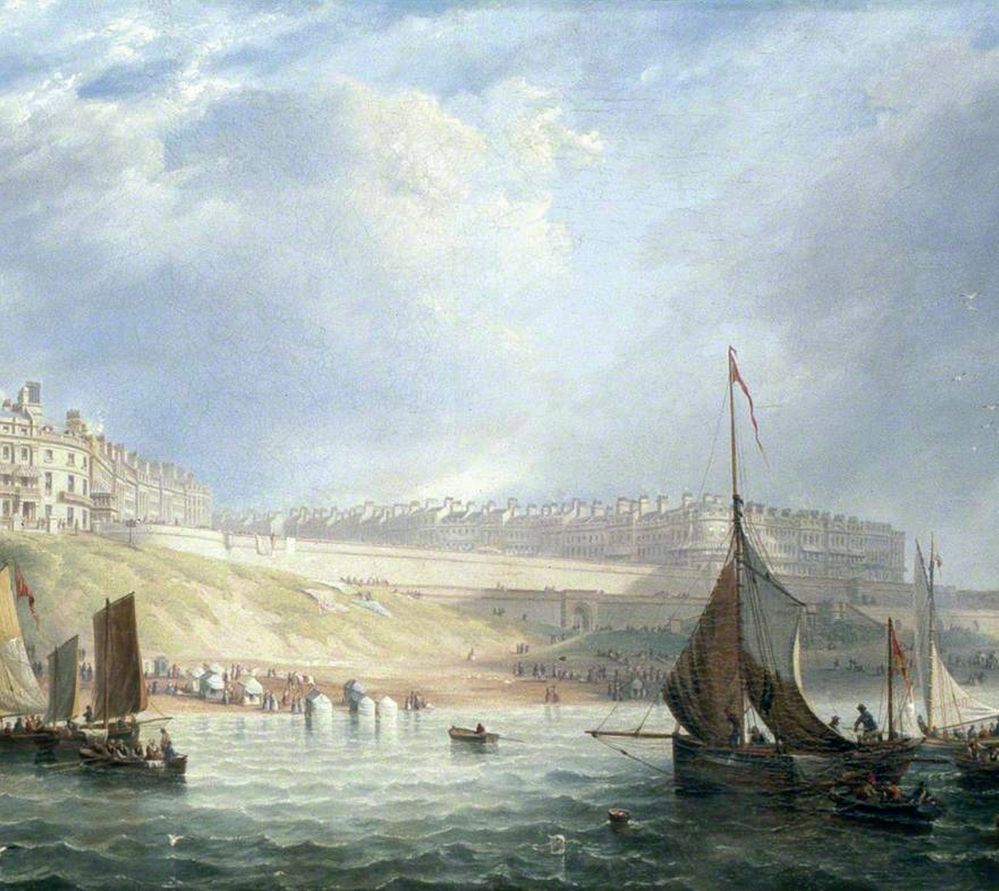
A family settles into a cheerful seaside house, only for unsettling reports to emerge from the bedrooms, passages and servants’ quarters: a woman glimpsed in the night, a shadow crossing a wall, unexplained knocks and a mysterious visitor. Le Fanu presents the incidents as a carefully gathered account, leaving the reader to weigh supernatural haunting against a more earthly explanation. |
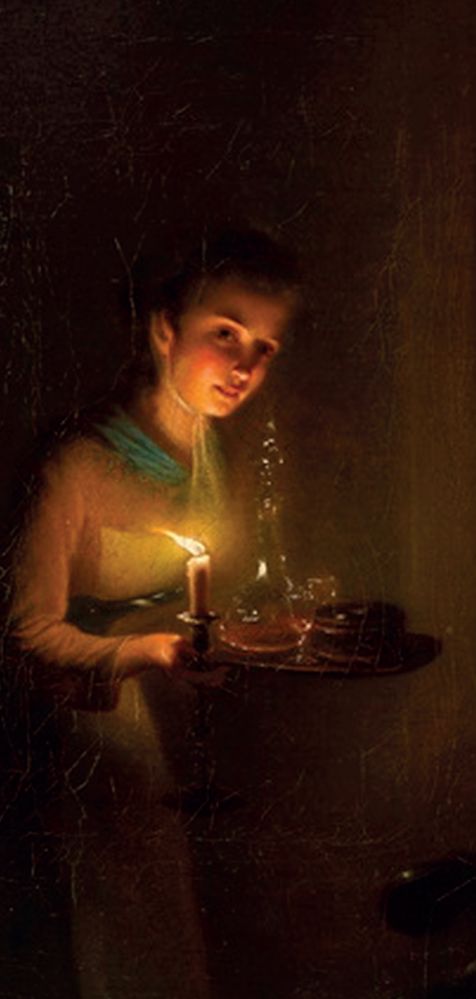 Returning to Le Fanu’s An Authentic Narrative of a Haunted House, Mari Fitzpatrick follows the story’s fragments: a shadow without a visible figure, unexplained footsteps, a red light and a buried bone. Bringing Le Fanu into conversation with Jung and Picasso, the editorial explores how what is hidden may return in images—and how a haunting can remain powerful when its mystery is never fully solved. |
Rich in Monsters
frankminted (adj.) — rich in monsters; abundantly supplied with strange, uncanny, grotesque, or supernatural beings; coined for The Linnet’s Wings Halloween 2026 issue.
Jingle
As soon as the coin
in the coffer rings,
a soul from
purgatory springs.
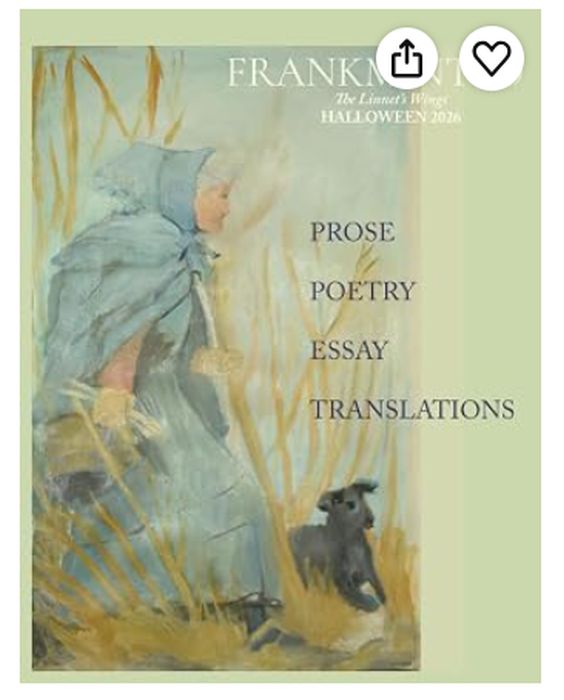
Cover for our Halloween 2026 magazine.
Image Old Mother Autumn, 2026
Mixed Media on Card, Artist, Marie Fitzpatrick
All rights reserved
No part of this publication may be reproduced, distribut-ed, or transmitted in any form or by any means, including photocopying, recording, or other electronic or mechan-ical methods, without the prior written permission of the publisher, except in the case of brief quotations embod-ied in critical reviews and certain other noncommercial uses permitted by copyright law.
For permission requests, email the publisher at: thelinnetswings@gmail.com